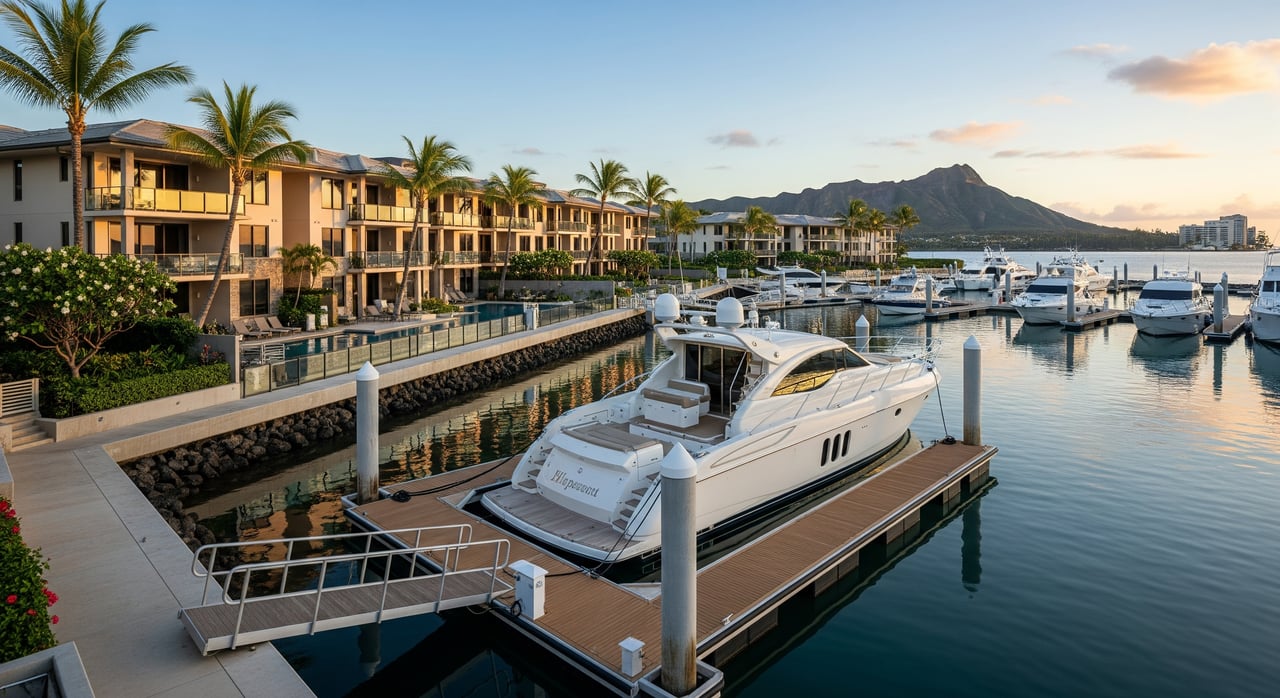
Boat days on Koko Marina sound dreamy until the monthly statements arrive. If you are shopping or selling in Hawaii Kai, understanding HOA dues and marina fees is the key to a smooth, stress-free experience. In this guide, you will learn what those fees pay for, how slips are structured and billed, what to check in the documents, and how fees shape pricing and negotiations. Let’s dive in.
Hawaii Kai communities
Hawaii Kai is a master-planned East Honolulu neighborhood with a mix of high-rise and low-rise condominiums, townhouse communities, and single-family homes. Many properties cluster around the Koko Marina waterfront with private docks, seawalls, and slips. That variety means fees and rules differ by property type. Waterfront communities often add a separate layer of marina governance and costs on top of regular HOA dues.
What HOA fees cover
Your monthly HOA dues fund the operation, safety, and long-term upkeep of shared spaces. Typical budget categories include:
- Common-area maintenance (landscaping, pools, elevators, lighting, security)
- Utilities for common areas (water, electricity, sewer, irrigation)
- Services (trash, janitorial, building maintenance)
- Insurance for common elements and liability (master policy)
- Management fees (on-site staff or professional manager)
- Administrative costs (legal, accounting, postage, supplies)
- Reserve funding for future replacements (roofs, paving, elevators, fences, seawalls, docks)
- Taxes and governmental fees (can include lease rent for marina areas when applicable)
- Contingency and special assessment line items
Reserves and special assessments
A healthy association builds a reserve fund based on a formal reserve study. A reserve study estimates the life and replacement cost of major components and sets a funding plan so owners are not surprised by large bills later. In waterfront communities, expensive items like docks, gangways, bulkheads, seawalls, and dredging require careful planning. Underfunded reserves can lead to a special assessment when big marine projects are due.
Insurance basics
Associations carry a master insurance policy covering common areas and association liability. Coverage varies by declaration, so you should confirm what the policy includes and what personal coverage you must carry. Owners are often required to hold individual policies (such as HO-6 for condos), while marina facilities may drive higher liability limits and specialized coverage.
How marina fees work
Marina fees are separate from or bundled with HOA dues depending on how slip rights are structured. You typically see two models:
- Slip included in the association: The condominium declaration or community documents assign a slip to a unit. Maintenance is funded by HOA dues and reserves.
- Slip leased or licensed: Slips are assigned through a separate agreement with the association or a marina operator. You pay a separate monthly moorage fee. There can be transfer rules, waitlists, and approval requirements.
Billing can be a flat fee by slip size or a per-foot rate based on boat length. Expect additional charges for electricity, water, pump-out, trailer storage, guest moorage, security access, and late fees. Transient moorage rates are usually different from assigned permanent slips, and availability is controlled by the marina manager.
Cost drivers unique to marinas
Marine environments are tough on infrastructure. Dredging to maintain depth, sediment management, and environmental permitting add cost and complexity. Piles, floats, gangways, fendering, and electrical systems degrade faster in saltwater, which accelerates replacement timelines. If a marina provides fuel or sewage pump-out, those facilities carry specialized maintenance, oversight, and insurance needs.
How rights and approvals are recorded
Your rights and responsibilities are documented in recorded instruments such as CC&Rs, condominium declarations, plats, and easements. These are filed with the State of Hawaii Bureau of Conveyances and outline who owns or leases docks, seawalls, and slips. Many marinas occupy submerged lands leased from the State of Hawaii and administered by the Department of Land and Natural Resources (DLNR). State leases and permits can define what repairs are allowed and affect long-term costs through lease rent and compliance obligations.
Buyer due diligence checklist
Get the full picture early. Before you remove contingencies, request and review:
- Governing documents: CC&Rs or condominium declaration, bylaws, house rules, and any marina-specific agreements
- Budget and financials: current operating budget, recent financial statements, and bank statements for operating and reserves
- Reserve study and funding plan, including reserve account statements
- HOA board minutes and management reports for the past 12 to 24 months
- Insurance declarations for the master policy and any owner policy requirements
- Estoppel or resale certificate stating current dues, assessments, and any violations
- Marina file: moorage agreement, slip assignment policy, fee history, dredging history, and any required state permits for marine work
- Delinquency report and any notices of planned special assessments or litigation
- Recorded maps, easements, and any state submerged land lease tied to the marina
Key questions to ask the manager or board:
- Are any special assessments planned or anticipated? What is the schedule and amount?
- What is the current monthly HOA fee and what does it include?
- Are slip fees included in dues or billed separately? Is the slip transferable with the unit?
- What percentage of owners are delinquent on dues?
- When was the reserve study last updated and are reserves funded per that study?
- Are there pending lawsuits, code issues, or governmental orders affecting the property or marina?
- When were the last dredging or seawall projects completed, and are more planned?
- What are the association’s insurance limits and what coverage must owners carry?
- Are there rental restrictions, pet rules, or other occupancy limits that affect your plans?
Seller steps to prepare
You build confidence by being transparent. Gather your documents and plan your disclosures:
- Order the resale or estoppel package early to avoid closing delays
- Prepare clear figures for HOA dues and any marina-related fees or assessments
- Disclose any known or pending assessments and upcoming capital projects
- Share recent HOA minutes that mention major repairs or marina work
- Make sure your personal insurance and any slip-related documentation are up to date
If your association has deferred maintenance or is considering an assessment, discuss pricing strategy and timing. You can disclose openly and adjust price, complete work in advance when feasible, or offer credits at closing.
Pricing and negotiation tips
For buyers:
- Focus on your total monthly cost (mortgage, HOA dues, moorage, utilities), not just purchase price
- Ask for early access to the full resale package and build in a document review contingency
- If a known assessment is scheduled, negotiate for the seller to pay it at closing or adjust the price
- If slips are separate, negotiate transfer fees or a temporary moorage arrangement during closing
For sellers:
- Publish dues and marina fees clearly in your listing to avoid surprises
- Proactively collect and share HOA and marina documentation to speed escrow
- If a major marine project is upcoming, work with your agent on pricing and concessions
Red flags to watch
- Low reserve funding compared with the latest reserve study, especially for docks, seawalls, and dredging
- High delinquency rates among owners
- Pending litigation involving the association, developer, or marina operator
- Frequent or large special assessments in recent years
- Unclear slip transfer rules or upcoming state lease expirations that affect marina continuity
- Repeated infrastructure failures or unresolved issues like chronic flooding or siltation
Long-term planning and risk
Marine infrastructure has long life cycles and high costs when replacement is due. Dredging and bulkhead projects are infrequent but expensive and can affect finances for years. Climate change, sea-level rise, and increased storm events are important planning factors for coastal communities and may influence insurance and reserve assumptions over time. Ask how the association is evaluating these risks and funding future work.
How to read a fee disclosure
When you see a listing, you will often find a base HOA fee and sometimes a separate moorage fee. Confirm what is included in the HOA number (cable, internet, water, sewer, or nothing beyond common areas). Then clarify how the slip is handled. If the slip is part of the condo package, ask how reserves and insurance account for marine components. If the slip is leased, ask for the moorage agreement, current rate, extra utility charges, and transfer rules.
Smooth closings in Hawaii Kai
A well-run community makes life on the water simple. The strongest offers and stress-free sales come from clear documents, realistic budgets, and honest conversations about upcoming marine projects. With thoughtful due diligence, you can enjoy the Hawaii Kai lifestyle and avoid fee surprises.
Ready to review a specific building or waterfront street? Get a customized fee breakdown, document checklist, and strategy for your move. Connect with Richard DeGutis for local, construction-savvy guidance tailored to Hawaii Kai.
FAQs
What do Hawaii Kai HOA fees usually cover?
- They typically fund common-area maintenance, utilities for shared spaces, services, insurance, management, admin costs, reserves for big projects, and contingency items.
How are marina slip fees charged in Hawaii Kai?
- Slips may be included in HOA dues or billed separately under a moorage agreement, often as a flat fee by slip size or a per-foot rate, plus utilities and services.
Can a slip transfer when I sell my unit?
- It depends on the recorded documents and any state lease constraints; some slips transfer with the unit, others require approval or separate agreements.
What is a reserve study and why does it matter?
- A reserve study estimates remaining life and replacement costs for major components and sets funding targets to help avoid special assessments.
Who oversees submerged land leases for marinas?
- The State of Hawaii’s Department of Land and Natural Resources administers submerged land leases and related permits for many marinas.
What should I request in a resale package?
- Ask for governing documents, budgets and financials, reserve study, minutes, insurance declarations, estoppel certificate, marina agreements, and records of assessments or litigation.
What are common red flags in waterfront HOAs?
- Low reserves, high delinquency, pending lawsuits, frequent assessments, unclear slip rules, lease expirations, and a history of unresolved marine infrastructure issues.