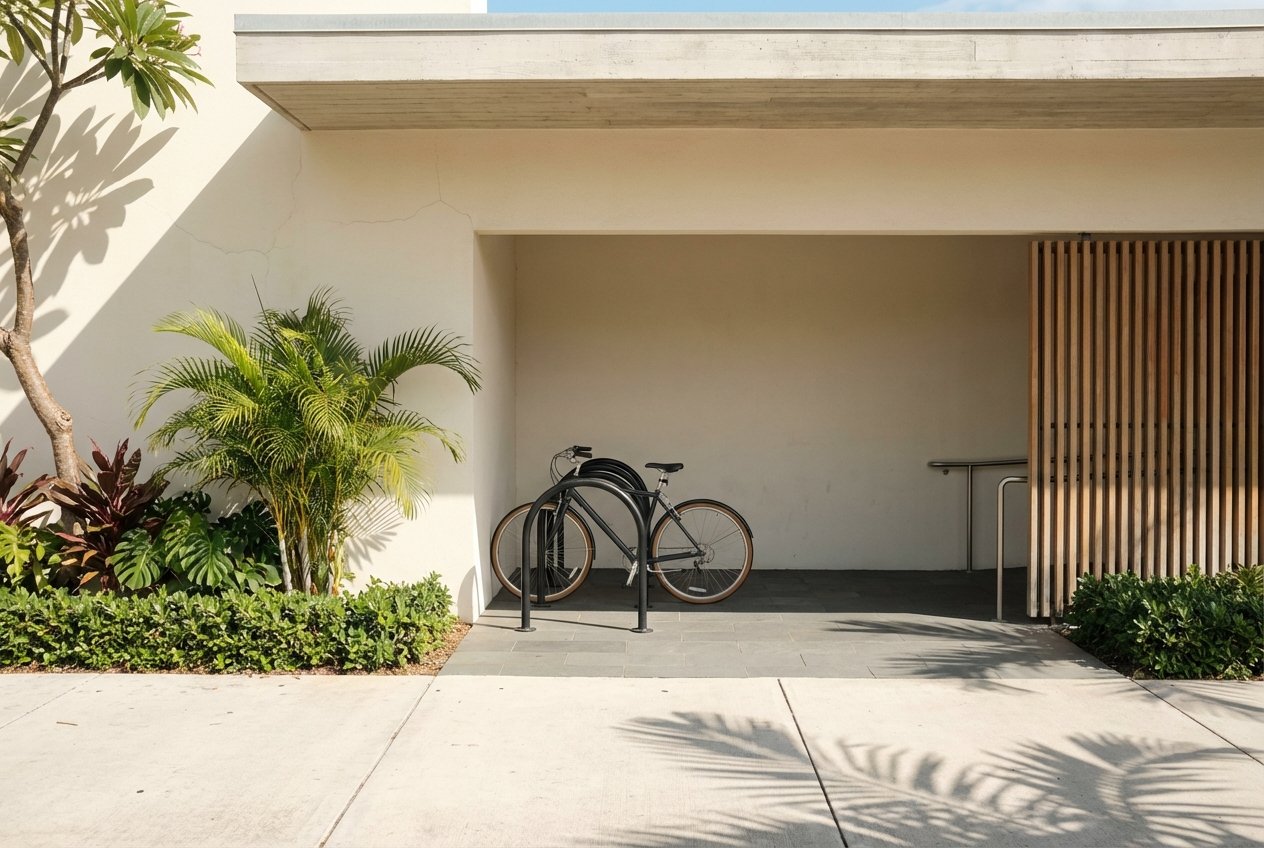
Could you live steps from the sand and skip owning a car? In Waikiki, many people do. If you want an easy, low‑maintenance lifestyle where errands, coffee, and the beach are close, car‑free living can work. In this guide, you’ll see how daily life plays out without a car, the transit and bikeshare options you’ll rely on, and the trade‑offs to plan for. Let’s dive in.
What car‑free looks like in Waikiki
Waikiki is one of Honolulu’s most walkable neighborhoods, with Walk Scores commonly in the high 80s to 90s depending on the address. That level of access means you can often handle coffee runs, pharmacy pickups, and casual dining on foot. Many condos sit within a 5 to 20 minute walk of beaches, parks, and services. For daily life, you can cover a lot of ground without getting behind the wheel.
Beach time stays simple. The named beach segments along Waikiki make ocean access easy, and Kapiolani Park and the Ala Wai corridor offer green space for walks and runs. When you want a change of scene, Ala Moana Beach Park and Magic Island are a short walk or ride away.
Getting around without a car
Walking for short trips
Most day‑to‑day errands are a short walk from condo corridors along Kalakaua, Kuhio, and the Kapiolani area. Expect crowded sidewalks in peak visitor hours, so give yourself a few extra minutes when crossing major intersections. You will quickly learn quieter side streets for a calmer stroll.
TheBus routes you will use
TheBus is Oahu’s primary transit network and serves Waikiki with routes boarding along Kuhio Avenue and Kalakaua. The city’s visitor guide highlights common boarding points and routes for shopping, the airport, downtown, and transfers. A new W Line connects the airport, Ala Moana, and Waikiki, which simplifies luggage days. Check the official guide for stop locations and current schedules before you go.
Use TheBus visitor quick guide to plan stops and routes.
Skyline rail connection today
Honolulu’s elevated rail, Skyline, expanded in mid‑October 2025, bringing passenger service to additional stations including the airport’s Lelepaua Station. There still is no rail station inside Waikiki, so you reach rail via TheBus or a shuttle transfer. This connection helps for airport and west‑side trips, but day‑to‑day Waikiki moves will remain bus, walking, and bike centered.
See the Skyline Segment 2 service milestone and what changed.
Biki bikeshare and bikes
Biki is well established across Waikiki, downtown, and Ala Moana, with about 1,200 to 1,300 bikes and 100‑plus docking stations in the urban core. You will find multiple Biki docks on or near Kalakaua and close to the beach. Off‑road and shared‑use paths around Ala Moana and Kapiolani Park create comfortable rides, though some on‑street lanes can be narrow or discontinuous. Choose quieter streets and shared paths when possible.
Learn about Biki stations and how memberships work.
Trolleys, rideshare, and taxis
The Waikiki Trolley runs frequent hop‑on, hop‑off loops, like the Pink Line to Ala Moana and the Green Line to Diamond Head. They are handy for short destination hops on visitor schedules and fares. Uber, Lyft, and taxis are widely available and useful for late nights, airport runs, and island day trips when transit would be slower.
Check trolley line options and loops.
Safety on busy corridors
Waikiki is a dense, high‑activity district. Local safety planning calls out the Ala Wai and Kalakaua corridors for their mix of buses, bikes, trolleys, and heavy foot traffic. Expect busy intersections and crowded sidewalks near major hotels, especially in the evenings. Give yourself time, cross at signals, and keep night walks on well‑lit routes.
Review context from Oahu’s Vision Zero discussions.
Everyday life logistics
Groceries and quick shopping
For quick trips, Waikiki has local supermarkets and convenience options, including Waikiki Market on Kuhio Avenue. For a fuller weekly run, many people walk or ride to Ala Moana for Target and Foodland Farms, or head to the Safeway at Kapahulu Shopping Center. If you prefer to skip carrying bags, store pickup and delivery are popular.
See Waikiki Market’s location and details.
Find the Safeway Kapahulu store.
Deliveries and building policies
Same‑day grocery and package delivery are common across Waikiki, but building policies vary. Some condos accept deliveries at the lobby while others require resident pickup. Ask about package handling, cold‑storage capability, and any delivery windows before you decide on a building.
Beach routines and gear
Most residents keep beach time simple with lightweight chairs and a small tote. If your building offers storage for boards or gear, it makes life even easier. You can also rent gear from local shops if you do not want to store larger items.
Health, laundry, and fitness
Many Waikiki condos provide in‑unit or on‑site laundry, along with fitness rooms and easy access to neighborhood gyms, pharmacies, and urgent care. Confirm the amenity list for any building you are considering. These practical details often make or break a comfortable car‑free routine.
Pros and trade‑offs
When car‑free fits best
Car‑free living tends to fit single professionals, retirees, part‑time residents, and anyone who plans to spend most of their time in the urban core. Walkability, bikeshare, and frequent bus service cover most daily needs. If you are comfortable using rideshare for the occasional long trip, you can easily go months without renting or borrowing a car.
Check Waikiki’s walkability profile to gauge daily convenience.
When a car still helps
If you make regular trips to the North Shore, windward beaches, or West Oahu workplaces, a car can still save time. Those routes often require bus transfers and longer travel times, especially during peak hours. For bulky purchases or family road days, renting a car for the day is a common workaround.
Use the official transit guide to compare times and transfers.
Cost and parking realities
Street parking in Waikiki uses metered rules and shorter billing intervals, and hotel garages often charge a daily rate that adds up fast. Private garages with monthly stalls may be available but can be a meaningful extra cost. If you will keep a car part‑time, confirm where you will store it and what that will cost.
Review local context on Waikiki parking costs and policies.
Buyer checklist for Waikiki condos
Use this quick checklist to evaluate how a specific building supports car‑free living:
- Parking: Does the unit include a deeded or reserved stall? Is guest parking available? What are typical monthly garage rates nearby?
- Building policies: What are the HOA or AOAO rules on bike and surfboard storage, package delivery, and laundry? Are there storage lockers for gear?
- Short‑term rentals: If you plan any rentals, confirm zoning, registration, and building rules. Recent city enforcement has tightened requirements, so verify current status.
- Transit and bikeshare: Count nearby TheBus stops and Biki docks, and check how often buses run at your commute times.
- Groceries and services: Time a route to a full supermarket like Safeway Kapahulu or Foodland Farms at Ala Moana, and decide if delivery or pickup suits you.
- Rail outlook: If your commute might use Skyline, review the current service pattern and planned extensions toward Ala Moana to see whether connectivity could improve.
- Safety and night travel: Walk your likely routes after dark and note lighting, crossings, and late‑night transit or rideshare availability.
Read about Honolulu’s short‑term rental enforcement backdrop.
Is car‑free Waikiki right for you?
If you value simplicity and want the ocean, dining, and errands close by, Waikiki makes car‑free living realistic. You will rely on walking, Biki, and TheBus for most days, and turn to rideshare or rentals for bigger island adventures. The keys are picking the right building, understanding your weekly routines, and planning for the occasional splurge on parking or a rental car.
If you would like a building‑by‑building walkthrough of parking, gear storage, and transit access, connect with Richard DeGutis to map options that fit your lifestyle.
FAQs
Is Waikiki walkable enough for daily errands without a car?
- Yes; Walk Scores in the high 80s to 90s mean most errands are within a short walk in core Waikiki, supported by nearby shops, pharmacies, and dining.
How do you get from Waikiki to Honolulu Airport car‑free?
- Take TheBus from Waikiki to connect with Skyline at Lelepaua Station or use the W Line that links Waikiki, Ala Moana, and the airport, or opt for a rideshare for a direct trip.
Is bikeshare reliable for residents in Waikiki?
- Biki operates 1,200 to 1,300 bikes with 100‑plus docks across the urban core, including multiple stations on or near Kalakaua and the beach, making short rides practical.
What are the biggest costs for car‑free living in Waikiki?
- Occasional rideshare or car rentals, potential monthly stall fees if you store a car, and higher daily hotel or garage rates if you pay per night for parking.
How safe is walking and biking at night in Waikiki?
- Major corridors like Ala Wai and Kalakaua are busy and appear in local safety discussions; stick to well‑lit routes, watch intersections, and allow extra time when sidewalks are crowded.
What should buyers verify about parking and rental rules in Waikiki condos?
- Confirm whether the unit includes a stall, guest parking policies, bike and surfboard storage, package handling, and the building’s short‑term rental legality and registration.