
PCS orders to Marine Corps Base Hawaii just hit, and you are weighing off-base housing around Kāneʻohe. With tight inventory and island logistics, the move can feel fast and high stakes. This guide gives you clear steps on neighborhoods, commute planning, leases and SCRA protections, utilities, healthcare, and sight-unseen safeguards so you can land smoothly. Let’s dive in.
Where to live on Windward Oʻahu
Windward neighborhoods overview
If you want a short commute to MCBH, focus on Kāneʻohe, Heʻeia, Ahuimanu, and Kailua. These areas are suburban in feel, with easy access to beaches and outdoor recreation along the Koʻolau foothills. Waimānalo and other Windward communities can also work depending on your duty location and schedule. Inventory is tighter than many mainland markets, which means well-priced homes move quickly.
Housing types you will find
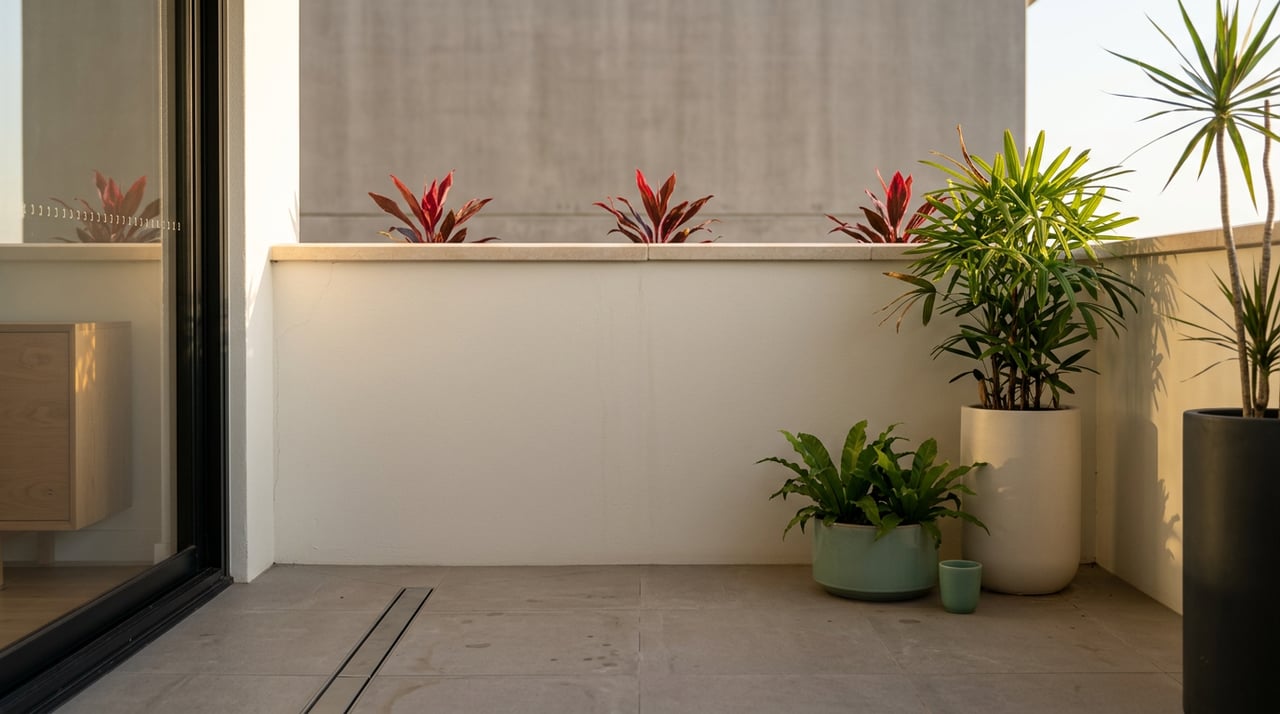
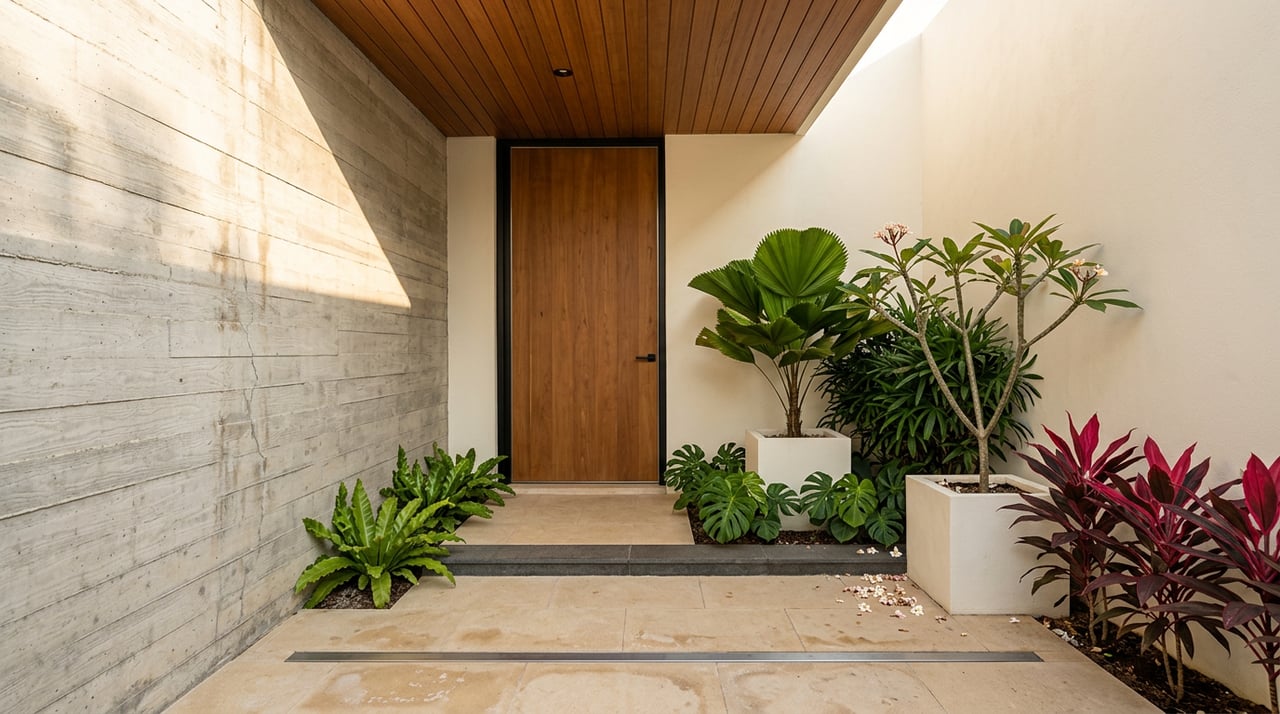
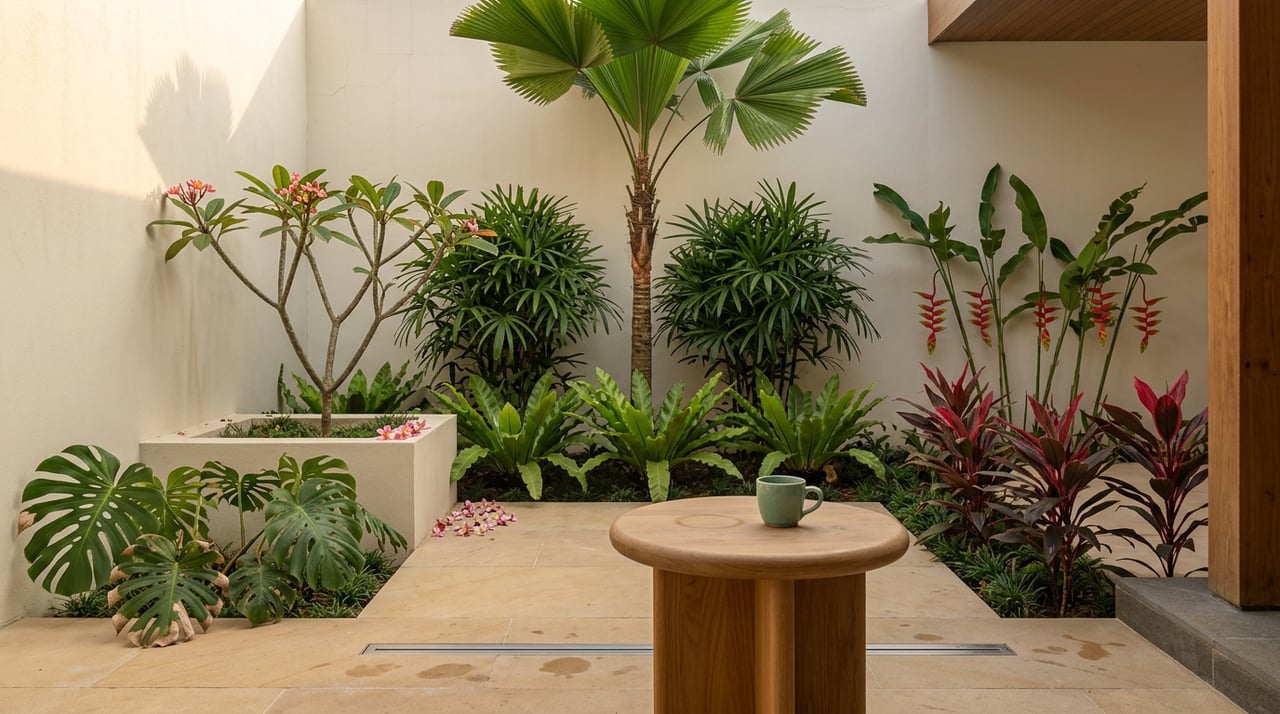
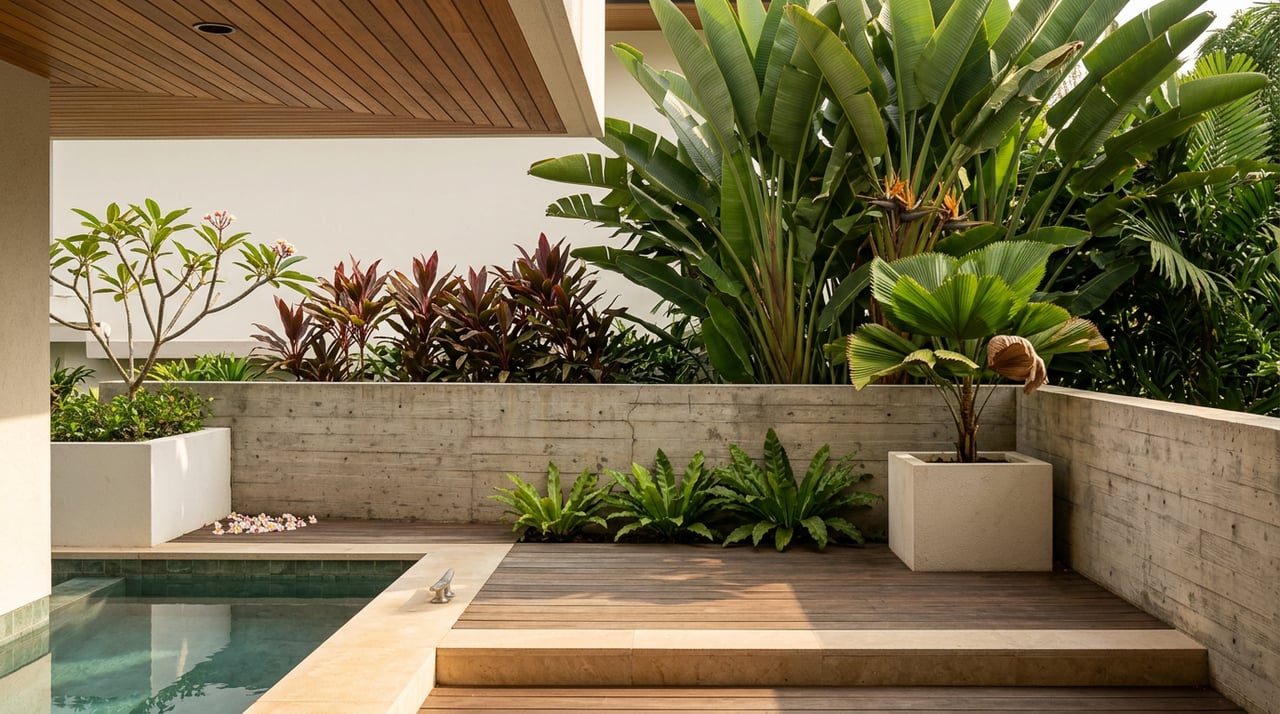
You will see mostly single-family homes, plus duplexes, townhomes, and a smaller pool of condos and apartments. Many homes are wood-frame with tropical landscaping. Older properties may show age or termite wear, which is common in Hawaiʻi. If you have pets, expect more competition for single-family rentals and plan for extra deposits.
Commute times and routes
Typical drive times
From many Kāneʻohe and Kailua addresses, you can reach MCBH in about 5 to 25 minutes, depending on the exact neighborhood and time of day. From Honolulu, the drive is often 30 to 60 minutes in moderate traffic and can stretch longer at peak times. Always check a traffic app at your specific commute hour before you sign a lease or write an offer.
Primary routes
On the Windward side, Kamehameha Highway runs north to south along the coast. Likelike Highway and Pali Highway connect Windward neighborhoods to Honolulu. H-3 links Windward to central Oʻahu and the Hickam area but is not an everyday route for everyone, depending on your start and end points.
Transit options
TheBus serves Windward Oʻahu, but frequency and timing do not always match military shifts. Carpooling and biking can work for short distances. For most families, a car is the primary mode, especially when juggling schools, childcare, and base schedules.
Rent vs. buy on Windward
Rental market snapshot
Windward single-family rentals are in limited supply relative to demand, especially for larger homes or pet-friendly units. Typical leases are 12 months. Shorter terms are possible but may be scarce or carry a premium. Expect security deposits, potential pet fees, and varied utility responsibilities written into the lease.
Buying with a VA loan
If your orders allow you to settle for longer, buying can make sense. VA loans are used across Oʻahu, and local lenders understand island-specific issues like flood and windstorm insurance. Condos can be a more attainable entry point, though monthly HOA fees and rules can be higher than you expect.
Inspections to prioritize
Always include a termite and wood-destroying organism inspection. In Hawaiʻi, ongoing pest treatment contracts are common. Ask about past treatment records and warranties, and review any flood or hazard disclosures with your agent.
Lease rules and SCRA protections
SCRA protections
Active-duty members have specific rights under the Servicemembers Civil Relief Act. If you receive qualifying PCS orders, you can terminate a lease with proper written notice and a copy of your orders. For procedures and timing, review the Department of Justice’s guidance on the Servicemembers Civil Relief Act and keep copies of all notices you send.
Hawaiʻi landlord-tenant basics
Hawaiʻi landlord-tenant law covers deposits, notice periods, and habitability. Before you sign, review the Hawaiʻi DCCA’s landlord-tenant resources. Many Windward leases include a military clause that mirrors SCRA. Make sure the process and timelines are clear in writing.
Timing your PCS housing search
60–90 day timeline
Start researching as soon as orders arrive, ideally 60 to 90 days before your report date. Get preapproved if you may buy, and assemble renter documents if you will lease. Confirm whether you qualify for house-hunting entitlements or TLA by checking PCS guidance and entitlements and your unit admin.
Temporary lodging and entitlements
If you cannot secure long-term housing before arrival, plan for temporary lodging on or near base. Inventory moves quickly, so book early and confirm availability through the MCBH official site and other base resources. For off-base hotels or short-term rentals, keep receipts and coordinate with your finance office on allowances.
Sight-unseen safeguards
Virtual tools that work
Ask your agent for live video tours, recorded walkthroughs, and neighborhood drive-bys at different times of day. Request floor plans when available, and confirm utility details, included appliances, and any repairs in writing. If you work from home, verify internet speeds at the exact address before you commit.
Contract protections that matter
For rentals, ask for a move-in condition clause, an agreed photo checklist, and clear repair timelines. For purchases, use an inspection contingency, including termite evaluation, and confirm flood and insurance requirements. If you place a holding deposit sight-unseen, require a written right to document the final condition to avoid disputes.
Storage and HHG logistics
Coordinate your HHG shipment with the Personal Property Office early. Port schedules and truck availability can affect timing on Oʻahu. Consider short-term storage if your home is not ready on arrival.
Utilities, internet, and services
Power and water
Electricity on Oʻahu is provided by Hawaiian Electric Company. Water service comes from the Honolulu Board of Water Supply. Trash service can be municipal or through a contractor, depending on the address. Ask landlords or sellers for typical monthly costs so you can budget accurately.
Internet options
Spectrum and Hawaiian Telcom are the main internet providers. Fiber availability varies by street, even within the same neighborhood. Have the provider check the exact address, especially if you plan to work remotely or stream video tours during your search.
Healthcare access and TRICARE
Windward residents often use a mix of military and civilian care. Specialty and inpatient care typically run through Tripler Army Medical Center in Honolulu. For local emergency and primary services, many residents use Castle Medical Center in Kailua. TRICARE networks can change, so confirm enrollment and referrals when you select housing.
Schools and childcare basics
Windward schools are part of the Hawaiʻi State Department of Education. Boundaries and capacities can change, so verify current zone maps and enrollment steps before you sign a lease. If you need childcare, start early. On-base CDCs and local providers can have waitlists, particularly near peak PCS seasons.
Natural hazards and insurance
The Windward side sees more rain, which can lead to localized flooding or slope stability concerns in certain areas. Tropical storms and hurricanes are seasonal risks. Renters and buyers should confirm coverage for windstorm, flood when applicable, and hurricane deductibles. Review existing termite treatment records and plan for ongoing pest maintenance.
Driving, parking, and registration
Vehicle registration
Active-duty members and dependents should confirm Hawaiʻi vehicle registration and insurance requirements shortly after arrival. For current process and deadlines, use City and County resources for vehicle registration. Bring your orders, ID, and any needed forms for base and DMV appointments.
Base access and parking
Have your IDs ready and review base access procedures before your first day. Check the MCBH official site for visitor control and vehicle policies. Off-base parking rules vary by neighborhood, and some areas have posted restrictions, so read street signs and ask about any permit zones.
Quality of life and amenities
Windward living offers quick beach access in Kailua and Waimānalo, plus hiking, paddling, and neighborhood parks. Daily errands are straightforward, with grocery options and shopping hubs like Windward Mall in Kāneʻohe. Local events and outdoor culture are part of the draw. Choose a location that balances your commute, budget, and the activities you enjoy.
A simple PCS housing game plan
- Start your search 60 to 90 days out and confirm entitlements.
- Decide rent or buy based on tour length and flexibility needs.
- Focus your map on Kāneʻohe and Kailua for short commutes.
- Verify commute times during your actual work hours.
- Use virtual tours and written confirmations for sight-unseen moves.
- Protect yourself with SCRA knowledge and clear lease clauses.
- Budget for utilities, and verify internet at the exact address.
- Line up temporary lodging and storage as backups.
How we can help
You deserve a smooth, well-coordinated landing on the Windward side. Our boutique, veteran-led team pairs virtual showings, clear due diligence, and hands-on follow-through with deep local knowledge of Kāneʻohe and Kailua. If you want a trusted adviser for off-base rentals or a VA-backed purchase, connect with Richard DeGutis to build a confident plan.
FAQs
How long is the commute to MCBH from Kāneʻohe or Kailua?
- Many addresses in Kāneʻohe and Kailua are about 5 to 25 minutes from base, depending on exact location and time of day.
What are my SCRA lease rights during a PCS to Kāneʻohe?
- SCRA lets qualifying active-duty members terminate a lease with written notice and a copy of orders; review DOJ guidance for timing and steps.
Is renting or buying better for a typical MCBH tour?
- Short tours often favor renting, while longer timelines can support buying; weigh inventory, monthly costs, and your flexibility needs.
Which utilities serve off-base homes near Kāneʻohe?
- Power is from Hawaiian Electric Company, water is from the Honolulu Board of Water Supply, and internet options include Spectrum and Hawaiian Telcom.
How can I plan a sight-unseen Windward rental or purchase?
- Use live video tours, confirm details in writing, add inspection or move-in condition clauses, and plan temporary lodging or storage as a backup.
Where do Windward residents go for military and emergency care?
- Specialty and inpatient care often run through Tripler Army Medical Center, and many locals use Castle Medical Center for nearby emergency and primary care.