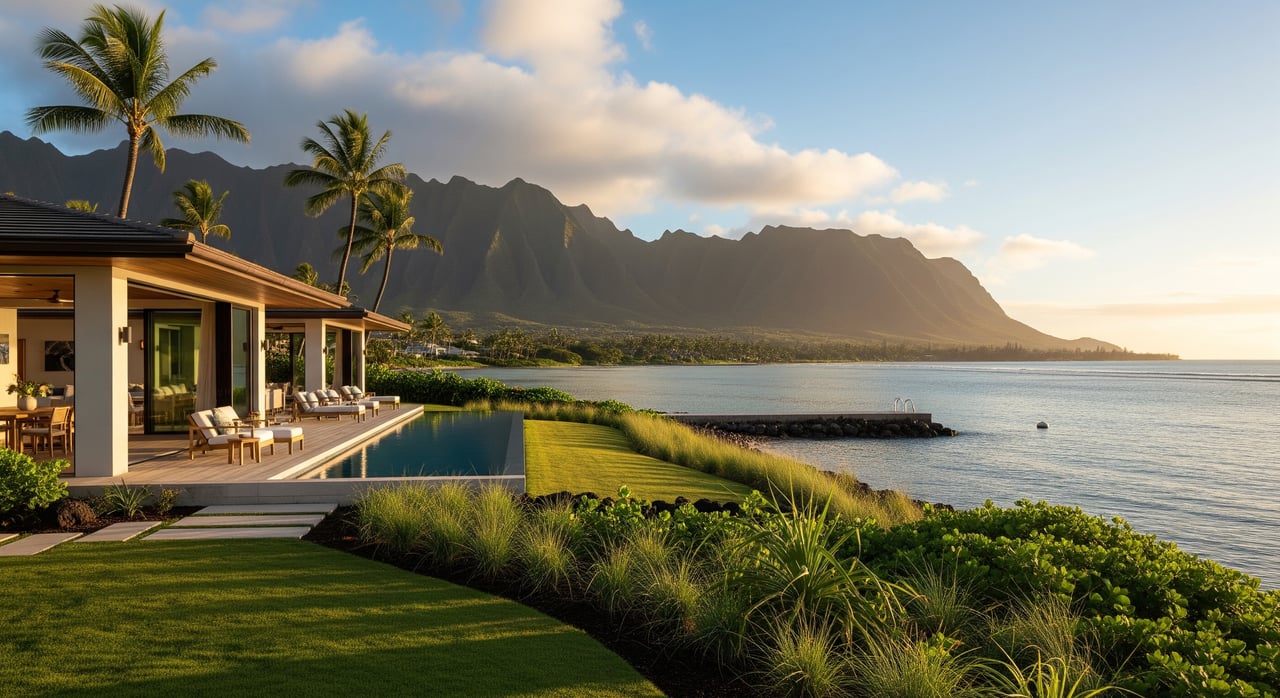
Thinking about a home on Kāneʻohe Bay? The view is unforgettable, but coastal rules shape what you can build, where you can build it, and how long permits may take. If you understand SMA permits, shoreline certification, and Honolulu’s updated setback rules, you can plan with confidence. This guide breaks it down in plain English and gives you practical steps for due diligence. Let’s dive in.
Shoreline and SMA basics
Shoreline vs certified shoreline
The shoreline is defined by state law as the upper reach of the wash of the waves, usually marked by the vegetation or debris line. The official location is set through the State’s shoreline certification process, which includes a survey, site inspection, and certificate. Certified shorelines are the baseline for measuring setbacks and deciding jurisdiction. You can learn how certification works on the State’s Shoreline Certification program page from DAGS and DLNR.
- Learn more: Shoreline Certification program
What the SMA is
The Special Management Area is a mapped coastal zone where “development” is regulated to protect coastal resources. Inside the SMA, projects often need review, and some require permits or hearings. The process comes from Hawaiʻi’s Coastal Zone Management law, HRS Chapter 205A.
- Read the framework: HRS Chapter 205A, SMA
Who manages what
The City and County of Honolulu Department of Planning and Permitting (DPP) administers SMA and shoreline setback permits on Oʻahu, including Kāneʻohe.
The Department of Land and Natural Resources’ Office of Conservation and Coastal Lands (DLNR OCCL) oversees coastal policy and conservation lands near the shoreline.
The State’s Land Survey Division coordinates shoreline certifications.
Explore agency roles: DLNR OCCL coastal lands program
Is this lot in the SMA?
Many Kāneʻohe shoreline parcels are within the SMA. Being in the SMA can affect timelines and costs for remodels, pools, hardscape, or new structures. Smaller projects may qualify as SMA Minor, while larger or potentially impactful projects often require SMA Major permits with public hearings.
To check a parcel, ask your agent to review DPP’s SMA resources and public notices of SMA filings. You can see current SMA hearing notices and filings in DPP’s public notice postings.
- See current notices: Honolulu DPP public notices for SMA filings
Shoreline setback update
Honolulu updated its shoreline setback rules effective July 1, 2024. Oʻahu moved away from a fixed 40‑foot line for many parcels. The setback is now linked to local erosion rates. In many areas it is 60 feet plus 70 times the annual erosion rate, with a cap, and there are specific exceptions for the Primary Urban Center and locations without erosion data. The change can increase setback distances in erosion‑prone spots around Kāneʻohe Bay.
- View the code section: Honolulu shoreline setback ordinance
A certified shoreline sets the baseline for measuring your setback. Because a larger setback can shrink buildable area, confirm whether a current shoreline certification exists and get DPP to determine the applicable setback for your parcel under the new rules.
- Policy context: DLNR coastal lands resources
Ask for this early: request any existing shoreline certification and a DPP shoreline setback determination from the seller or your agent.
Hazards and protections to consider
Kāneʻohe Bay is home to sensitive marine resources and cultural sites, including the Heʻeia fishpond. Projects that touch the foreshore, reefs, or require dredging often involve multiple reviews and conditions. Seawalls and other shoreline hardening are generally discouraged and can be difficult to approve.
- Coastal policy overview: DLNR OCCL coastal lands program
Screen long‑term risk with the State’s Sea Level Rise Viewer. The map shows the Sea Level Rise Exposure Area and layers for passive flooding, high‑wave flooding, and erosion. Hawaiʻi law requires disclosure when a residential property is in the SLR‑XA, so it is smart to check this early.
- Map your risk: State of Hawaiʻi Sea Level Rise Viewer
Your buyer checklist for Kāneʻohe shoreline lots
- Confirm SMA status and permits or violations
- Have your agent check DPP’s records and public notices for SMA files, shoreline setback variances, and any enforcement history. Review hearing notices to gauge timing.
- Start here: Honolulu DPP public notices
- Get a recent certified shoreline
- Ask for any existing certification. If buildable area is a key part of your decision, include a contract contingency for a current shoreline survey and certification.
- Program details: State Shoreline Certification
- Verify the setback under the 2024 rule
- Request a formal shoreline setback determination from DPP. Ask whether the parcel uses the erosion‑rate formula or a standard minimum based on its location.
- Code reference: Honolulu shoreline setback ordinance
- Run sea level rise and flood checks
- Use the State Viewer to see if the parcel is in the SLR‑XA and to view flooding and erosion layers. Factor this into insurance, valuation, and design decisions.
- Viewer link: Sea Level Rise Viewer
- Ask about cultural and environmental constraints
- Kāneʻohe Bay’s reef flats and cultural resources can trigger additional reviews and conditions. Plan for coordination with DLNR and other agencies.
- Learn more: DLNR OCCL coastal lands program
- Bring the right experts
- Hire a shoreline‑savvy surveyor, a coastal engineer, and a Hawaiʻi shoreline/SMA attorney for complex cases. This team can save time and reduce risk.
- Add smart contingencies
- Include contingencies for shoreline certification, DPP setback confirmation, SMA and shoreline permit feasibility, and seller disclosures related to the SLR‑XA.
Ready to explore Kāneʻohe Bay with clarity and a solid plan? Reach out for coast‑savvy guidance, permitting insight, and a tailored strategy for your goals. Connect with Richard DeGutis to get started.
FAQs
What is the SMA and how does it affect a Kāneʻohe remodel?
- The Special Management Area is a coastal zone where development is regulated under HRS 205A, so even smaller projects may need review and some require permits or hearings.
How do I confirm if a Kāneʻohe property is inside the SMA?
- Ask your agent to check DPP’s SMA resources and review current SMA filings and hearing notices in DPP’s public notices postings.
What changed with Honolulu’s shoreline setback in 2024?
- Oʻahu moved from a fixed 40‑foot line to an erosion‑rate‑based formula that can increase setbacks in erosion‑prone areas, which reduces buildable area on some parcels.
Why is shoreline certification important before I buy on Kāneʻohe Bay?
- A certified shoreline sets the official baseline for measuring setbacks and can determine how much of the lot is buildable under city rules.
Can I build a seawall on Kāneʻohe Bay?
- Seawalls and other shoreline hardening are generally discouraged, closely reviewed, and often limited because of impacts to beaches, public access, and reefs.
What tools help me assess sea level rise risk for a Kāneʻohe home?
- Use the State of Hawaiʻi Sea Level Rise Viewer to see the Sea Level Rise Exposure Area and flooding or erosion layers for long‑term planning and disclosure.