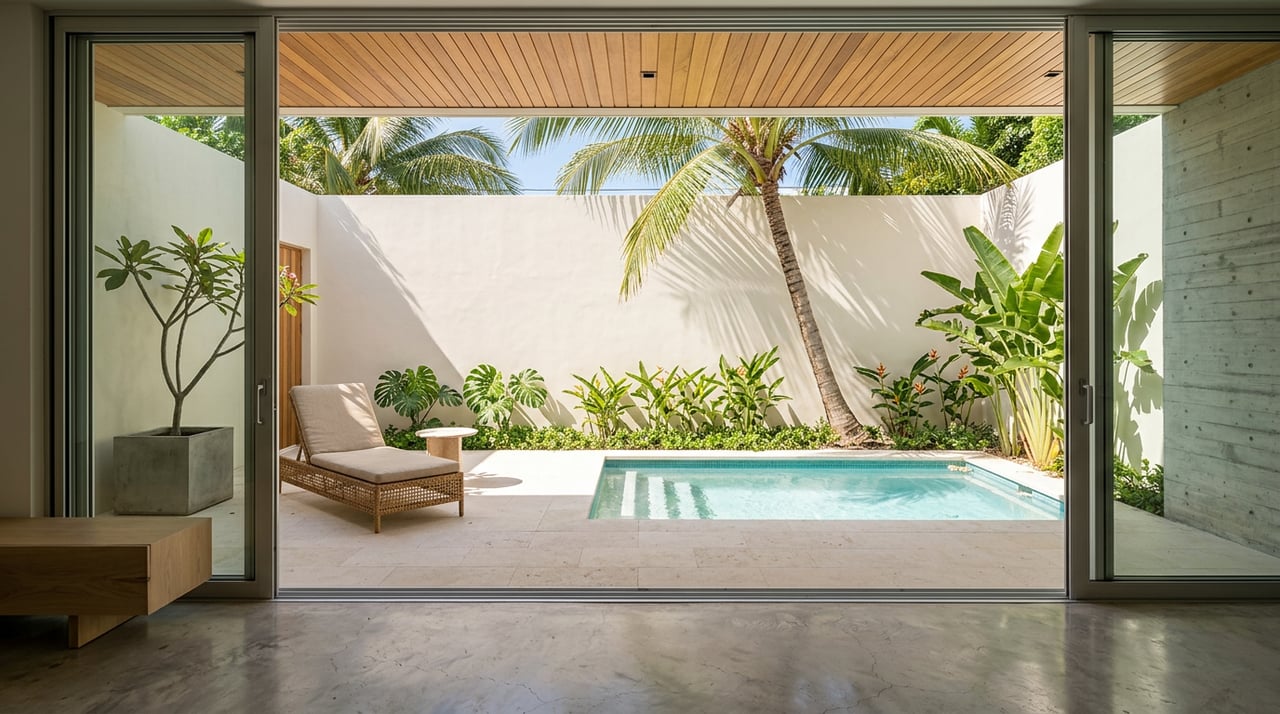
If you could step into your North Shore weekend right now, what would it look like? Maybe a late Friday drive past pineapple fields, Saturday sunrise at a quiet break, and a farm‑fresh lunch before a nap with the trade winds moving through your lanai. If Waialua is on your mind for a second home, you want to know how weekends really flow, what seasons feel like, and the practical pieces that make the lifestyle easy. This guide gives you a clear picture of weekender life in Waialua, plus ownership, rental, and management basics to help you plan with confidence. Let’s dive in.
Why Waialua works for weekenders
Waialua sits on Oʻahu’s North Shore with a small, semi‑rural feel that orbits the ocean and farm life. The Census‑designated place had about 4,062 residents in 2020, which helps keep the pace calmer than Honolulu’s urban core. You’ll find the everyday conveniences centered in nearby Haleʻiwa, the North Shore’s commercial heart. A quick overview of Waialua helps set the scene.
Access is straightforward. Plan on roughly 45 to 75 minutes by car from Daniel K. Inouye International Airport or central Honolulu, depending on traffic and route. Weekend and contest days can add time, so build in a buffer. For context on North Shore directions and timing, see this drive guidance to Turtle Bay.
A sample North Shore weekend
Friday arrival: settle in fast
Arrive late afternoon, drop bags, and do a quick grocery stop in Haleʻiwa or hit a farm stand so you can greet Saturday with coffee and a clear plan. A tidy pre‑arrival checklist at your home makes this feel effortless.
Saturday sunrise: ocean first
Start early with a beach walk or paddle. On calmer days, family‑friendly breaks and beaches near Haleʻiwa can be inviting. Many weekenders follow the session with coffee and pastries at a local staple like Ted’s Bakery.
Midday markets and lunch
Farmers markets are weekend anchors on the North Shore. The Haleʻiwa market at Waimea Valley is a favorite for produce and prepared foods. Check current hours and vendors on the Waimea Valley market listing. Casual lunch options span shrimp trucks and small cafés across Haleʻiwa.
Afternoon culture and a swim
Waimea Valley pairs a scenic garden walk with a cultural center and a waterfall swim when conditions allow. It is a relaxed half‑day that fits neatly between a market stop and dinner. Learn more about the Waimea Valley experience.
Sunday wind‑down: toes in the sand
Keep Sunday simple. Stroll your favorite stretch, read on the lanai, and tidy the house for an easy handoff to your cleaner. Hit the road before peak afternoon traffic if you are heading back to town or to the airport.
Seasons and crowd patterns
Summer: calmer water, easier parking
Summer typically brings gentler ocean conditions on the North Shore, which means more swim and snorkel windows and generally lighter crowds. It is a great time for family beach days and beginner‑friendly shoreline time.
Winter: big surf, big energy
From roughly November through April, north swells define the North Shore. Expect spectacular surf, contest windows, and heavier traffic. If you plan to be on the water, always check conditions and heed lifeguard postings. For real‑time context, reference Surfline’s North Shore spot reports.
Ocean time, safely
Surf and shore
Conditions change quickly with swell direction and wind. In winter, many breaks are only for experienced surfers, while summer often opens up more swim and paddle days. Build your days around trustworthy surf forecasts and lifeguard advisories. Surfline’s Pipeline page is a useful check.
Snorkeling and tide pools
Pupukea’s shoreline, including Shark’s Cove and Three Tables, shines in calm months for snorkeling and tidepool exploring. Much of this area sits inside the Pūpūkea Marine Life Conservation District, which has rules aimed at protecting habitat and limiting take. Review the DLNR’s Pupukea MLCD management plan and follow reef‑safe, no‑take practices.
Home types and market context
Second‑home buyers in the Waialua and greater North Shore area often focus on single‑family beachfront or near‑beach cottages, small lots with a main house plus a cottage, and select condo or resort‑adjacent options closer to Turtle Bay. Inventory is limited compared to mainland suburbs, and coastal proximity commands a premium.
Recent snapshots in late 2025 and early 2026 show North Shore and Waialua median sale prices in the seven‑figure range. Exact pricing moves with inventory, property condition, and distance to the shoreline. It is best to verify current data before you set a budget or timing strategy.
Renting when you are away
Taxes and registration basics
If you plan any stays under 180 consecutive days, Hawaii’s Transient Accommodations Tax applies, and Oʻahu also collects a 3 percent county transient surcharge. Owners must register and file for applicable taxes even when platforms help collect. Start with the Hawaii Department of Taxation’s rental and TAT overview.
Zoning rules are evolving
Honolulu’s short‑term rental rules have shifted and have been the subject of litigation. A recent federal court decision related to the HILSTRA case affected interpretation and enforcement of minimum rental term changes. The landscape is complex and in flux. Review the decision summary on Leagle, and verify current standards with the City and County of Honolulu Department of Planning and Permitting and a local attorney before you assume a property can be used for short‑term rental.
Managing a weekend home from afar
Appoint a local contact
Hawaii practice generally requires local contact information on leases and for service of process. Many off‑island owners designate a property manager or trusted local agent for emergency response and compliance. For background on residential lease norms, review the Hawaii lease agreement basics.
Build your vendor team
Most weekenders rely on a small, dependable crew: a keyholding property manager, a cleaner for turnarounds, a landscaper, and a handyman who understands island sourcing and salt‑air wear. Set clear service scopes and confirm weekend availability and surcharges before you need them.
Use smart systems
Smart locks, security cameras that respect local law and privacy, and leak and HVAC monitoring reduce surprises. Schedule a pre‑arrival check and a post‑departure clean so every weekend starts and ends smoothly.
Insurance and coastal risk
Confirm coverage for wind, hurricane, and flood based on your lot’s exposure. Requirements and premiums can vary near the shoreline. A knowledgeable local insurance agent is essential.
Costs to budget
- Utilities such as electricity and water.
- Landscaping and routine pest control.
- Periodic maintenance for roofs, corrosion, and salt‑air wear.
- Cleaning between stays and annual deep cleans.
- Insurance appropriate to coastal risks.
- Property management or keyholding if you hire help.
- Taxes and filing support if you rent at all.
Quick weekender checklist
- Pre‑stock essentials and confirm a pre‑arrival walkthrough.
- Keep a labeled owner’s closet with linens and backups.
- Maintain a vendor list with after‑hours contacts.
- Set up smart entry and monitoring with remote access.
- Create a simple closing routine for Sunday departures.
Getting there and getting around
- Expect about 45 to 75 minutes by car from Honolulu or HNL to the North Shore in typical conditions. See this North Shore drive timing for context.
- Weekend and contest days can slow traffic. Plan grocery stops and surf checks with parking in mind.
Community etiquette and stewardship
- Respect neighborhood pace. Keep noise low, park legally, and avoid blocking driveways.
- Pack out trash on busy beach days and leave access paths as you found them.
- In marine conservation zones such as Pupukea, follow posted rules and use reef‑safe sunscreen. Review the Pupukea MLCD plan before you explore.
How we can help
Choosing a North Shore weekend home comes down to fit, timing, and clear logistics. As a boutique, Honolulu‑based brokerage with island‑wide experience, we help you evaluate properties for lifestyle and compliance, coordinate virtual showings and inspections, and set up the on‑island systems you need to enjoy your weekends. If you plan limited rental use, we will connect you with trusted managers and advisors and help you understand today’s rules before you buy.
Ready to map out your Waialua weekend life and see what is possible within your budget and timeline? Connect with Richard DeGutis to start a focused, stress‑saving plan.
FAQs
How long is the drive from HNL to Waialua on weekends?
- Plan for 45 to 75 minutes by car in typical conditions, with extra time on weekends and surf contest days; see this North Shore drive reference for context.
Can I rent out my Waialua home when I am not using it?
- Hawaii’s TAT and Oʻahu’s county surcharge apply to stays under 180 days, and Honolulu’s land‑use rules are evolving, so review state tax guidance and verify current DPP standards with a local attorney.
What months are best for snorkeling at Shark’s Cove?
- Summer months usually bring calmer ocean conditions that favor snorkeling and tidepool exploring, while winter swells can make conditions rough; always check Surfline and heed lifeguards.
Are there farmers markets near Waialua for weekend shopping?
- Yes, the Haleʻiwa market at Waimea Valley is a popular stop for produce and prepared foods; check current hours on the market listing.
What types of homes do weekenders choose on the North Shore?
- Many focus on single‑family beachfront or near‑beach cottages, small lots with a house plus cottage, and select condo or resort‑adjacent options near Turtle Bay, with premiums for coastal proximity.