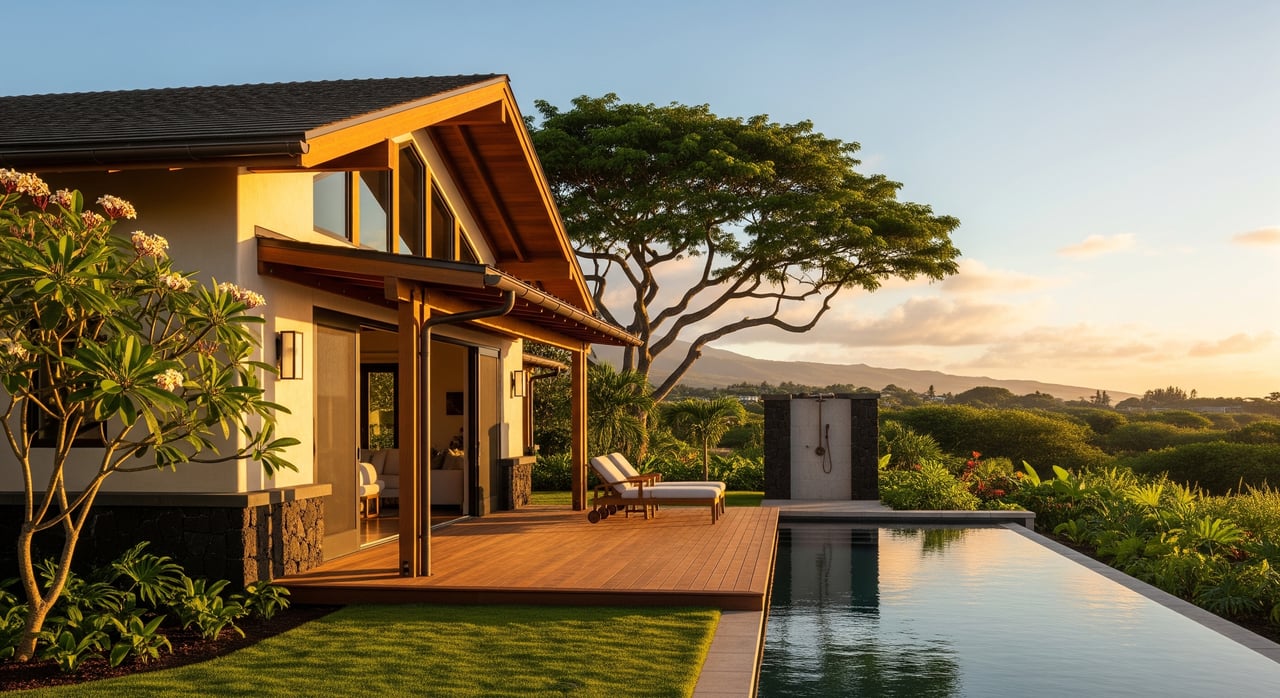
Thinking about adding an ADU or ohana unit to your Waialua property? You’re not alone. Extra living space can support multi-generational living, create rental income, or boost flexibility when you host family. This guide walks you through what’s legal on O‘ahu, the coastal and utility constraints common in Waialua, the permitting path, costs, and a step-by-step checklist to move forward with confidence. Let’s dive in.
Key terms and legal basics
An accessory dwelling unit (ADU) is a smaller, independent home on the same lot as your main house. It can be attached, detached, or created by converting existing space like a garage. Locally, people also say “ohana unit,” reflecting family use, but the legal classification and permits are what matter.
Many older ohana units were built without permits. A structure can exist physically but still be illegal to occupy or rent. Always verify permits, final inspections, and a Certificate of Occupancy before you buy, sell, or advertise a unit.
Waialua rules: what to check
Honolulu’s Department of Planning and Permitting (DPP) is the local authority for zoning, building permits, and occupancy. Start by confirming your parcel’s zoning and whether a secondary unit is allowed. Unit size, setbacks, parking, height, and lot coverage limits vary by zoning district.
Some areas have owner-occupancy requirements. Parking, setbacks, or non-conforming lot sizes can limit where you place an ADU. Short-term rentals face strict rules on O‘ahu; many residential ADUs are not eligible for vacation rental use. Confirm current policies with the county before planning STR use.
Coastal and environmental factors
Waialua includes low-lying coastal parcels and historic areas. Properties near the ocean may fall within a Special Management Area or a shoreline setback. In those cases, additional coastal review or permits can apply, and some sites may be ineligible for new structures.
Flood and tsunami hazards also matter. FEMA flood zones can require elevated foundations or specific construction standards. If your lot lies in these areas, plan for design changes and possible cost increases.
Wastewater is a key constraint on the North Shore. Many properties historically relied on cesspools or septic systems. Adding a dwelling often triggers a requirement to connect to sewer if available, or to upgrade on-site wastewater systems in line with Department of Health rules.
Water, power, and utilities
The Board of Water Supply manages meters and service. An ADU may need to share the existing meter or require capacity upgrades and fees. Coordinate early with BWS, and plan ahead with Hawaiian Electric for electrical service and any solar plus battery interconnection.
Narrow lots, shared driveways, tree protections, and easements can influence ADU placement. Plantation-era layouts in Waialua sometimes limit buildable area, so a current survey is smart before you draw plans.
Step-by-step path to a permit
1) Feasibility first
- Confirm zoning, setbacks, lot coverage, and height limits.
- Check sewer availability and wastewater requirements; review any cesspool upgrade triggers.
- Identify SMA or shoreline setback, FEMA flood zones, and any historic-district reviews.
- Verify parking requirements and potential access constraints.
2) Design with local pros
- Engage an architect experienced with Honolulu ADU rules and coastal design.
- Bring in a structural or civil engineer for foundations, wind loads, and flood details.
- Use a surveyor to mark property lines, setbacks, and easements.
3) Pre-permit consultations
- Meet with DPP to review the concept and application path.
- Coordinate with BWS for water service and fees.
- Consult DOH or City wastewater teams about sewer connection or on-site system upgrades.
- If coastal, consult DLNR offices regarding SMA and shoreline questions.
4) Submit for approvals
- Building permit plus electrical and plumbing permits.
- SMA or shoreline permits if applicable.
- Water service approvals.
5) Build and inspect
- Follow scheduled inspections and address comments.
- Secure a Certificate of Occupancy or a temporary certificate if phased.
Typical timelines
- Feasibility and design: several weeks to a few months.
- Permit review: a few weeks to several months, longer with SMA or shoreline review.
- Construction: several months to about a year, depending on size and contractor availability.
Costs, financing, and risk planning
Construction costs in Hawai‘i tend to run higher than the mainland due to shipping, materials, and labor. Coastal foundations, wastewater upgrades, geotechnical work, and SMA-related mitigation can add to the budget. Include soft costs like design, engineering, permits, and water or sewer connection fees.
Financing options include cash, HELOCs, renovation or construction loans, or a combination. Some lenders offer ADU-focused programs. Appraisals and rental income treatment vary by lender, so consult your mortgage professional early.
Adding a legal ADU can affect property valuation and tax classification. Rental income is taxable. If you plan any short-term rental use, verify county licensing rules and tax requirements. For coastal Waialua homes, review flood and wind coverage and confirm your policy extends to an additional dwelling.
Rental use and resale value
Long-term rental demand exists on the North Shore, but rates and vacancy shift with local employment and supply. A permitted ADU typically supports value and marketability better than an unpermitted unit. If you plan to rent, engage a local property manager for current comps and leasing strategy.
If selling, disclose any unpermitted work. Buyers should request copies of permits, inspections, and the Certificate of Occupancy for any secondary unit before closing.
Waialua feasibility checklist
- Verify the legal status of any existing ohana/ADU, including permit numbers and occupancy.
- Confirm parcel zoning and whether a secondary unit is allowed; request a DPP pre-check.
- Check sewer maps and wastewater requirements; confirm any cesspool conversion needs.
- Determine if the lot lies in an SMA, shoreline setback, flood zone, or tsunami area.
- Confirm water service and meter capacity with the Board of Water Supply.
- Order a current property survey showing setbacks and easements.
- Review any CC&Rs or HOA rules that restrict ADUs or rentals.
- Understand property tax implications and potential reassessment.
- Get insurance quotes for the added structure, flood, and wind risks.
- Obtain at least three bids from licensed Hawai‘i contractors and verify credentials.
- Consult a tax advisor and mortgage broker on financing and rental taxation.
Your ADU team
- Architect with Honolulu ADU and coastal design experience.
- Licensed general contractor with O‘ahu ADU projects.
- Structural or civil engineer; geotechnical engineer for certain sites.
- Land surveyor to map boundaries and setbacks.
- Planning consultant or land-use attorney for SMA, shoreline, or complex zoning.
- Property manager and tax advisor if renting.
Build for resilience
Coastal projects benefit from elevated designs, flood-resistant materials, and clear evacuation plans. Energy-efficient systems, solar plus battery, and native landscaping can reduce operating costs and improve durability. These choices can also support long-term value and livability in Waialua’s coastal climate.
Ready to explore an ADU or ohana unit on the North Shore? Let’s map your options, risks, and budget before you spend on plans. For a thoughtful, construction‑savvy approach and island‑wide guidance, connect with Richard DeGutis.
FAQs
Can I build an ADU on my Waialua lot?
- It depends on zoning, setbacks, wastewater capacity, and whether the site is in an SMA, shoreline setback, or historic area. Start with a DPP feasibility check.
Can I use a Waialua ADU as a vacation rental?
- Honolulu County rules often restrict short-term rentals in residential areas. Verify current county licensing and zoning before planning STR use.
Do cesspools affect ADU approvals in Waialua?
- Yes. Adding living space often triggers sewer connection or on-site system upgrades. Confirm requirements with the Department of Health and City wastewater teams.
What permits are required for a Waialua ADU?
- Typically a building permit plus electrical and plumbing permits, and possibly SMA or shoreline approvals, water service approvals, and a final Certificate of Occupancy.
How long do ADU permits and construction take on O‘ahu?
- Permit reviews can take weeks to months, and construction several months to a year. Coastal or SMA projects may take longer due to added reviews.