If you are shopping for a home on Oʻahu’s North Shore, an HOA can shape your monthly costs, your insurance needs, and even what you can do with the property. That can feel overwhelming, especially if you are buying from the mainland, relocating, or comparing very different property types in Waialua and nearby communities. The good news is that once you know what documents to review and which questions to ask, HOA living becomes much easier to evaluate. Let’s dive in.
HOA Basics on the North Shore
On the North Shore, you may come across two different types of associations. A property may be part of a condominium association governed by Hawaii Revised Statutes Chapter 514B, or it may belong to a planned community association or homeowners association governed by Chapter 421J.
That distinction matters because the legal framework is not always obvious from the way a listing is described. In Hawaii, a condominium is a form of ownership, not a building type. That means a condo can look like a high-rise unit, a townhome, or even a single-family home.
You may also see the term CPR, or condominium property regime. That is an ownership structure, not a zoning decision. For buyers in Waialua, this is why it is important to confirm the legal setup of the property rather than relying only on the neighborhood label or property style.
Why the association type matters
When you buy a condo unit in Hawaii, you automatically become a member of the association. You are expected to follow the declaration, bylaws, and house rules.
In planned communities, the recorded association documents can also set rules for common areas, maintenance, architectural control, property use, and payment obligations. In short, the association documents are not just background paperwork. They directly affect your ownership experience.
What HOA Fees Usually Cover
One of the biggest mistakes buyers make is focusing only on the monthly fee. A lower fee does not always mean a better value, and a higher fee does not automatically mean the property is overpriced.
What matters more is what the fee is paying for. In condominium associations, common expenses are generally shared according to each unit’s common interest, and the board collects assessments based on the adopted budget.
Common elements often include items such as:
- Roofs
- Parking areas
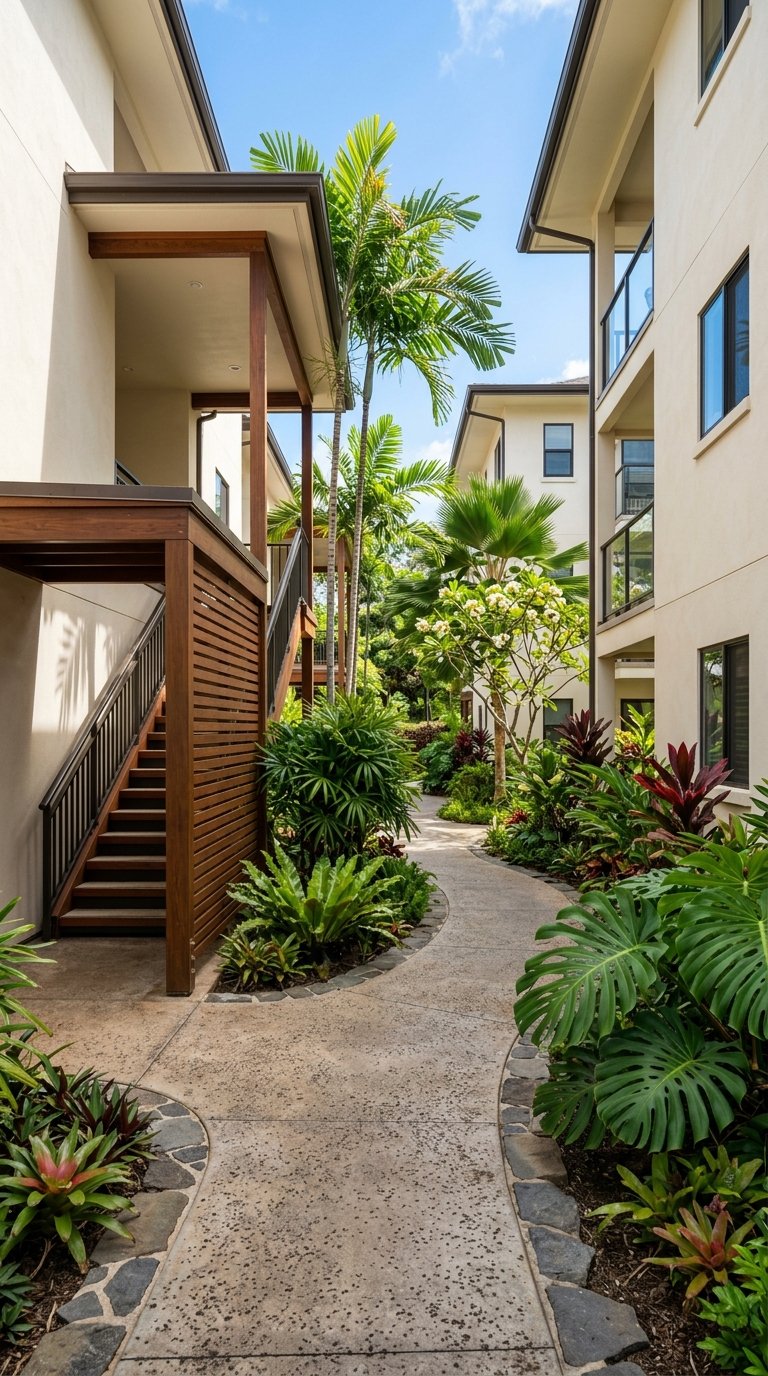
- Grounds and landscaping
- Walkways
- Pools
- Lobbies and corridors
- Main plumbing systems
- Main electrical systems
Some properties also have limited common elements, which can include parking stalls or storage lockers. Even if you do not personally use every shared feature, you still pay your allocated share because the association is generally responsible for maintaining, repairing, and replacing those common elements.
In a planned community, assessments are used to operate and manage the association, maintain property used for the common benefit, and provide services to members. Depending on the recorded documents, that may include much more than landscaping or entry maintenance.
Why fees can increase
On Oʻahu, reserve funding is a major reason monthly dues may rise over time. Hawaii condo budgets must include estimated revenues, operating expenses, reserve balances, and reserve-study-based estimates for future repair and replacement needs.
Under Hawaii law, associations generally must fund at least 50 percent of estimated replacement reserves, or 100 percent under a cash-flow plan. Separate designated reserves are also required for components expected to cost more than $10,000 to repair, replace, or maintain.
If reserves are too low, the association may need a special assessment. That is why buyers should look beyond today’s monthly dues and ask whether the association is planning responsibly for future costs.
Rules, Notices, and Enforcement
Before you buy, it is important to understand that HOA living comes with rules. Those rules may affect pets, parking, exterior changes, rentals, and use of common areas.
For condominiums in Hawaii, house rules can include fines and penalties for noncompliance. Condo boards may also impose late fees, interest, and reasonable fines for rule violations.
Hawaii law also sets notice requirements that buyers should know. Condo boards generally must give unit owners at least 30 days’ written notice before a maintenance fee increase.
In planned communities, members must receive at least 14 days’ written notice of regular annual or special meetings. That notice must list agenda items such as proposed amendments and special assessments.
Why unpaid assessments matter
In both condominium and planned community settings, unpaid assessments can become liens on the property. That makes it important to ask whether the seller is current on dues and whether any assessments are pending or disputed.
For buyers, this is not a minor detail. Assessment history can give you a clearer picture of how the association is managed and whether you may face added costs after closing.
Insurance and Risk
Insurance is one of the most misunderstood parts of owning in an association, especially in coastal areas like Waialua and the North Shore. Many buyers assume the association’s insurance covers everything, but that is usually not the case.
In Hawaii condos, the association generally carries a master policy covering the building structure, common areas, and original as-built unit construction. The association also typically needs property coverage, commercial general liability coverage, fidelity bond coverage, and directors-and-officers coverage unless the declaration or bylaws state otherwise.
As an owner, you usually still need your own HO-6 policy. That policy typically helps cover the interior of the unit, personal property, additional living expenses, and personal liability.
Pay close attention to deductibles
One detail that deserves extra attention is the master-policy deductible. Under the governing documents or board policy, association deductibles can sometimes be passed through to owners after a loss.
For North Shore buyers, that can be a meaningful part of your risk picture. Hawaii also has a state hurricane relief fund for AOAO master policies when hurricane coverage is difficult to place, which is especially relevant for coastal properties.
Due Diligence Before You Buy
If a property in Waialua has an HOA or condo association, document review should be part of your buying strategy, not an afterthought. The goal is to understand both the monthly cost and the long-term obligations.
At a minimum, ask to review the association’s key records before you move forward. These documents can help you spot maintenance issues, financial strain, or rule restrictions early in the process.
Documents worth requesting
Ask for:
- Declaration n- Bylaws
- House rules
- Current budget
- Reserve study
- Meeting minutes
- Insurance summary
- Information about upcoming capital projects
- Information about any planned or recent special assessments
Hawaii law requires associations to keep records detailed enough for resale disclosures, and many of those documents must be provided within 30 days. Owners may also be able to request electronic copies or internet downloads at no cost in some cases.
Questions smart buyers ask
When you are comparing North Shore properties, these questions are especially useful:
- Is this a condo association or a planned community association?
- What does the fee actually cover?
- Which items are the owner’s responsibility and which belong to the association?
- When was the last reserve study completed?
- How well funded are the reserves?
- Are major repairs or replacements already scheduled?
- Have there been recent special assessments?
- Is another special assessment likely?
- How large is the master-policy deductible?
- Can owners be assessed for that deductible after a loss?
- What rules apply to pets, parking, rentals, exterior changes, and common-area use?
These questions can tell you much more than the monthly dues alone. They help you understand how the association operates, how future costs may be handled, and whether the property fits your plans.
North Shore HOA Decisions With Confidence
On the North Shore, the monthly fee is only one part of the story. The bigger questions are what the association owns, what the documents allow, how reserve funding is handled, and how much insurance or deductible risk may fall on you as the owner.
That is where local guidance can make a real difference. If you are buying in Waialua or anywhere on Oʻahu and want help reviewing the practical side of an HOA, from budgets and reserve questions to the way a property’s setup may affect your ownership costs, Richard DeGutis can help you move forward with clarity and confidence.
FAQs
What is the difference between a condo association and an HOA on the North Shore?
- On the North Shore, a property may be governed by a condominium association under Chapter 514B or a planned community association under Chapter 421J. The difference matters because each structure has its own rules, records, and legal framework.
What do HOA fees usually cover in Waialua properties?
- HOA or condo fees may cover shared expenses such as roofs, grounds, parking areas, walkways, pools, common building systems, and other services or property the association is responsible for under its governing documents.
Can an HOA in Hawaii charge special assessments?
- Yes. If reserves are not adequate or major work is needed, an association may levy a special assessment, which is why buyers should review reserve studies, budgets, and recent meeting minutes.
Do North Shore condo buyers still need their own insurance?
- Yes. A condo association’s master policy generally covers the structure and common areas, while owners typically still need HO-6 coverage for the unit interior, personal property, liability, and additional living expenses.
What HOA documents should a buyer review before making an offer in Waialua?
- Buyers should ask to review the declaration, bylaws, house rules, current budget, reserve study, meeting minutes, insurance summary, and any information about upcoming capital projects or special assessments.