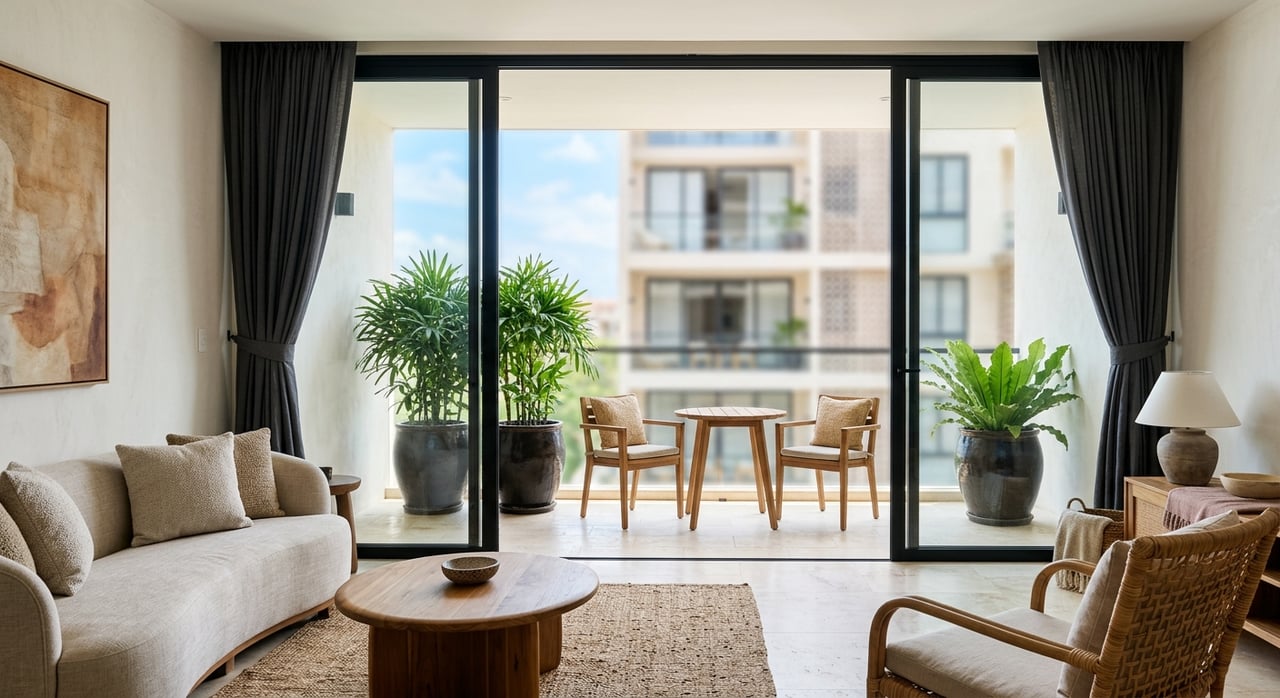
What does it really look like to own a Waikiki pied-à-terre? For many buyers, the idea sounds simple: a place near the beach, easy to lock up, and ready whenever you want a few days or a few weeks in Honolulu. In real life, though, the best fit comes down to how you plan to use the property, what the building allows, and how much day-to-day friction you want to avoid. If you are thinking about a part-time place in Waikiki, this guide will help you understand what ownership actually feels like and what to check before you buy. Let’s dive in.
Why Waikiki Works Part-Time
A Waikiki pied-à-terre is less about square footage and more about access. You are buying into a compact district where beaches, parks, shopping, dining, and entertainment sit close together, which can make everyday life feel easy and spontaneous.
That matters if you want a home base that does not require a lot of upkeep. Instead of spending your time on yard work or long drives, you may be able to walk to the beach, grab coffee, run errands, and enjoy the neighborhood without relying on a car for every outing.
Waikiki also supports a more car-light lifestyle than many parts of Honolulu. City materials show that 30% of Waikiki residents commute by walking or biking, and 86% live in low- or no-car households.
For mainland owners, getting in and out is also fairly straightforward. Daniel K. Inouye International Airport is about 10 miles from Waikiki, and official transit information shows bus service from the airport to Waikiki Beach and Hotels on the W Line, with Route 42 also serving Waikiki.
What Daily Life Can Feel Like
Part of the appeal of a Waikiki pied-à-terre is rhythm. Your morning might start with a beach walk, a stroll along nearby public access points, or time on the Waikiki Historic Trail before the day fills in.
Because so much is close together, your routine can stay simple. You can come in for a short stay and settle quickly, which is exactly what many part-time owners want from a second home.
Waikiki is also more than a visitor district. Ongoing work and event programming from the Waikiki Improvement Association point to active neighborhood stewardship and recurring local activity, which helps reinforce that this is a functioning community as well as a resort area.
Condo Ownership Usually Fits Best
For many buyers, a condominium is the most natural Waikiki pied-à-terre setup. In Hawaii, condo ownership generally means you own your unit and share ownership of common elements, while the association handles shared spaces and building-wide upkeep.
That structure often fits a lock-and-leave lifestyle well. If you are only in town part of the year, having building systems and common areas managed through the association can make ownership more predictable.
At the same time, condo ownership comes with rules and ongoing costs. Hawaii’s condominium fact sheet notes that declarations and bylaws govern items like allowed uses, pets, late fees, insurance requirements, and house rules, and owners pay maintenance fees whether they use the unit often or not.
Waikiki Property Types Are Not All the Same
One of the biggest mistakes buyers make is assuming every Waikiki unit works the same way. In reality, Waikiki includes different ownership and use patterns, and those differences can shape your experience.
Some buildings are traditional residential condominiums. Others function more like apartment/hotels or condo-hotels.
According to Honolulu’s visitor inventory definitions, condo-hotels are individually deeded condominium units that are generally placed into transient hotel rental operations and may include hotel-style services like daily maid service and front desk operations. Apartment/hotels tend to be more limited-service and often include kitchens.
That means you need to match the building type to your real goals. If you want a quieter, more residential ownership experience, one building may fit better than another. If you want hotel-like convenience, that may point you toward a different product entirely.
Fee Simple vs Leasehold Matters
Another major issue in Waikiki is whether a unit is fee simple or leasehold. This is not a small technical detail. It affects what you actually own.
Under Hawaii condominium law, some units are leasehold, which means the deed may convey the unit and its common interest but not title to the land itself. In other words, the land may be leased rather than owned outright.
For a part-time buyer, this should be verified early in the search. It can affect long-term planning, resale decisions, and how comfortable you feel with the ownership structure.
Parking Can Change Everything
If you plan to keep a car in Waikiki, parking may be one of the first filters in your search. A city presentation on Ala Wai Boulevard reported 6,320 public parking spaces in Waikiki and showed occupancy above 95% along the Ala Wai corridor in the study area.
In practical terms, that means you do not want to make assumptions. A nice unit without reliable parking may feel very different in daily use than it did during an online search or quick showing.
In condominiums, parking areas may be common or limited-common elements, and house rules may set guest-parking rules. Before you buy, confirm whether parking is deeded to the unit, assigned in another way, or subject to a waitlist.
Storage Is Never Safe to Assume
Storage is another detail that can seem minor until you need it. If your pied-à-terre will hold beach gear, extra linens, luggage, or longer-stay essentials, a lack of storage can become frustrating fast.
Hawaii condominium law allows declarations to assign common and limited-common elements, which is why some projects offer dedicated storage lockers, parking stalls, or lanai rights tied to a unit while others do not. That is why storage should be checked building by building.
A smart search does not assume standard features. It verifies them.
Building Services Vary Widely
Many buyers picture a Waikiki building with a front desk, on-site help, and smooth daily operations. Some properties offer that kind of support, but it is not automatic.
Hawaii guidance states that condominium law does not require an association to hire a third-party managing agent. So if front desk coverage or on-site support matters to you, it needs to be confirmed instead of assumed.
This also helps explain why maintenance fees deserve close attention. Common elements often include lobbies, corridors, garbage rooms, parking areas, pools, gyms, roofs, and major plumbing and electrical systems, so those fees support much more than what you see from the lobby.
Reserve Strength Matters for Part-Time Owners
For a part-time owner, financial stability inside the building can matter just as much as the unit itself. A great location can lose some appeal if the association is underfunded or facing large future expenses.
The Hawaii Department of Commerce and Consumer Affairs explains that reserves are collected for major future costs such as roofs or elevators. If reserves are insufficient, the result can be special assessments, borrowing, or deferred maintenance.
That is why reserve strength belongs on your short list of due diligence questions. If you want ownership to feel easy when you are away, the building’s long-term planning matters.
Rental Rules Need a Close Read
A lot of pied-à-terre buyers ask the same question: what can I do with the property when I am not using it? In Waikiki, this is one of the most important issues to verify before you buy.
Honolulu’s land use ordinance restricts advertising dwelling units for less than 30 consecutive days unless the property is properly registered or otherwise exempt. The city’s property-classification guidance also defines residential use as occupancy for 30 or more consecutive days or owner or guest personal use.
Legally established hotels and timeshares are treated differently from ordinary dwelling units. So if rental flexibility is part of your plan, you need to understand exactly how the property is classified and what rules apply to that specific unit and building.
A Smart Waikiki Search Checklist
If you are buying a Waikiki pied-à-terre, these are the practical questions worth answering before you narrow the field:
- Review the declaration, bylaws, and house rules.
- Confirm pet policy, quiet hours, and guest-parking rules.
- Verify whether the unit is fee simple or leasehold.
- Check whether parking and storage are deeded, limited-common, or waitlist items.
- Identify whether the building functions as residential, apartment/hotel, condo-hotel, or hotel-oriented in practice.
- Ask about reserve levels and any history of special assessments.
For many buyers, the best property is not the one with the most space. It is the one that makes arriving, staying, and leaving feel easy.
What the Best Fit Usually Looks Like
In real life, the best Waikiki pied-à-terre often comes down to four things: walkability, transit access, parking certainty, and building management. Those basics usually shape your ownership experience more than raw square footage or even a flashy first impression.
If you are a mainland buyer or planning to purchase sight-unseen, this is where careful local guidance becomes especially valuable. Small details in condo documents, use rules, parking rights, or reserve planning can have an outsized effect on whether the property feels effortless or complicated.
The goal is simple. You want a place that matches how you will actually live, not just how the listing looks on day one.
If you are considering a Waikiki pied-à-terre and want help comparing buildings, reviewing the practical tradeoffs, and narrowing the search to properties that truly fit your lifestyle, Richard DeGutis can help you approach the process with clear local insight and concierge-level support.
FAQs
What is a Waikiki pied-à-terre?
- A Waikiki pied-à-terre is usually a part-time, low-maintenance home base in a compact, walkable resort district where you can enjoy beach access, dining, shopping, and transit without the upkeep of a larger property.
What property type works best for a Waikiki pied-à-terre?
- For many buyers, a condominium is the most natural fit because you own the unit plus a share of the common elements, while the association handles shared areas and building-wide upkeep.
What should buyers know about Waikiki parking?
- Parking should be verified carefully because public parking is heavily used in Waikiki, and condo parking may be deeded, limited-common, governed by house rules, or subject to waitlists.
What should buyers know about Waikiki storage?
- Storage varies by project, so you should confirm whether a unit includes a dedicated locker, assigned space, or no extra storage at all rather than assuming it comes standard.
What is the difference between fee simple and leasehold in Waikiki?
- Fee simple and leasehold are different ownership structures, and in a leasehold condo the deed may convey the unit and common interest without conveying title to the land itself.
What rental rules matter for a Waikiki pied-à-terre?
- Honolulu restricts advertising dwelling units for less than 30 consecutive days unless the property is properly registered or otherwise exempt, so you should confirm the building type, unit classification, and allowed use before buying.
Why do condo reserves matter in Waikiki buildings?
- Condo reserves matter because they help cover large future expenses such as roofs or elevators, and weak reserves can lead to special assessments, borrowing, or deferred maintenance.