Selling a townhouse in Hawaii Kai can feel simple at first, until you realize how much of the result depends on preparation. In today’s Oʻahu condo and townhouse market, buyers have more choices, and that means details matter. If you want to sell with confidence, you need more than a sign in the yard. You need a smart plan for pricing, presentation, disclosures, and HOA documents before your listing goes live. Let’s dive in.
Why preparation matters in Hawaii Kai
If you are selling a Hawaii Kai townhouse, it helps to understand the market you are stepping into. Honolulu Board of REALTORS® data for May 2026 showed condo sales were down 9.4% year over year, median days on market for condos rose to 43 days, and the condo median sales price was $520,000. That is a different pace from single-family homes, which had a median of 13 days on market.
For you, that means timing is less about chasing a perfect month and more about launching well. When buyers have more inventory to choose from, weak photos, missing documents, or a rushed showing plan can slow momentum. A townhouse that is ready from day one has a better chance to stand out.
Start with a launch-ready mindset
Confidence comes from knowing your listing is complete before buyers ever walk through the door. That means your unit should be cleaned, photographed, documented, and easy to show. It also means your disclosure file and HOA materials should already be underway.
In Hawaii Kai, many townhouse communities have specific rules tied to common areas, exterior changes, parking, and access. Those details can shape both the buyer experience and the transaction timeline. When you prepare early, you reduce surprises later.
Focus on the updates buyers notice
Not every pre-sale improvement needs to be expensive. In many townhouse sales, the best return comes from cosmetic updates that show well in person and in photos. Fresh paint, minor repairs, decluttering, and a carefully cleaned interior often do more for buyer interest than a large remodel.
NAR’s 2025 staging research supports that approach. It found that 83% of buyers’ agents said staging made it easier for buyers to visualize the property as a future home, while 73% said listing photos were much more or more important to clients. It also found that 37% said the living room was the most important room to stage.
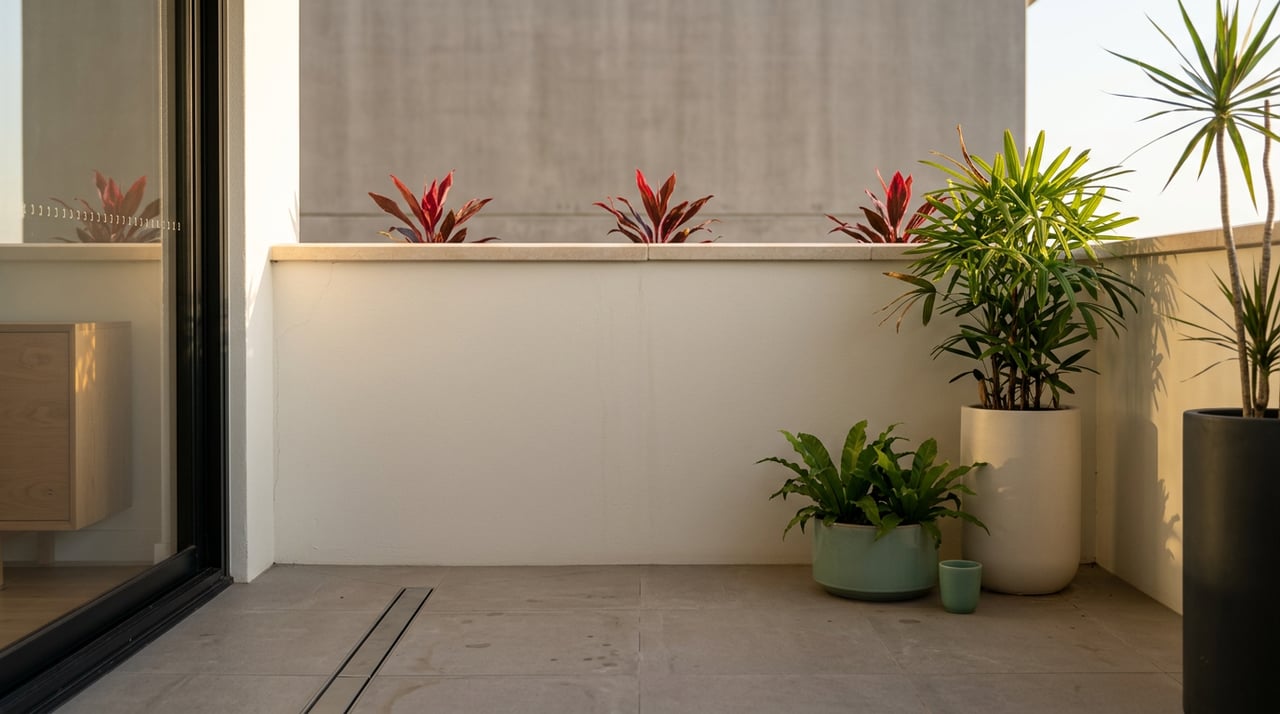
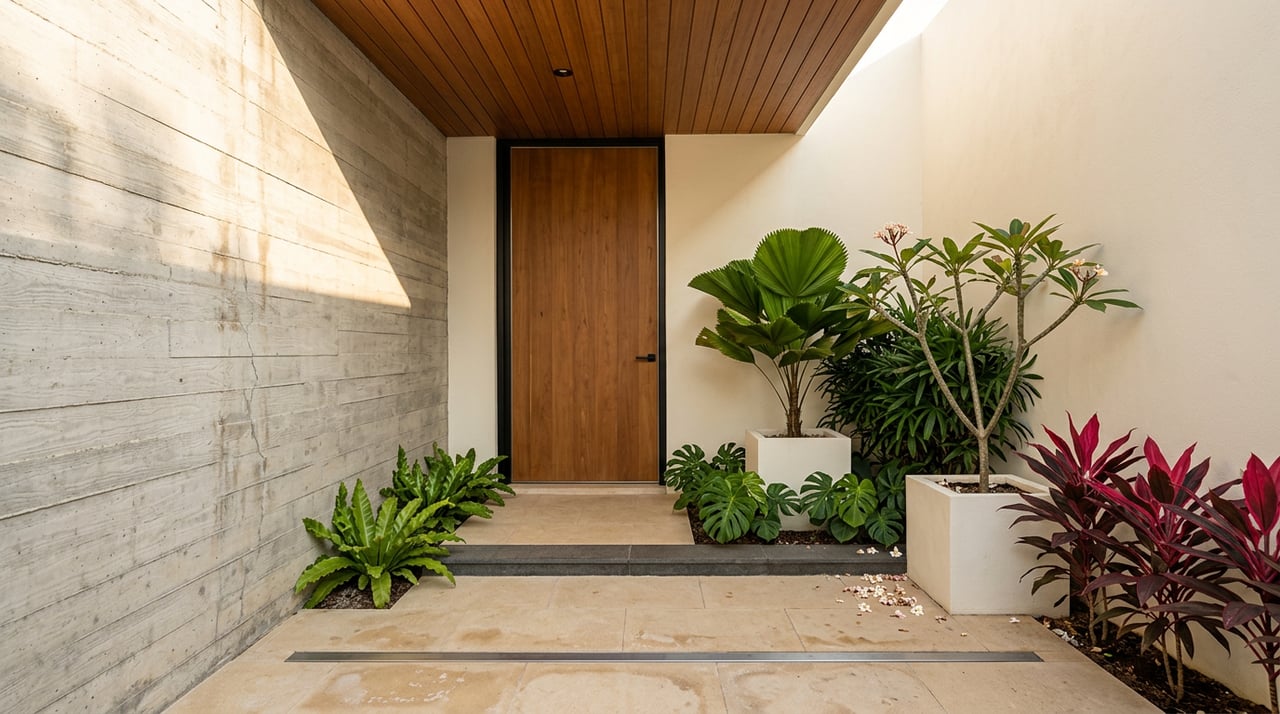
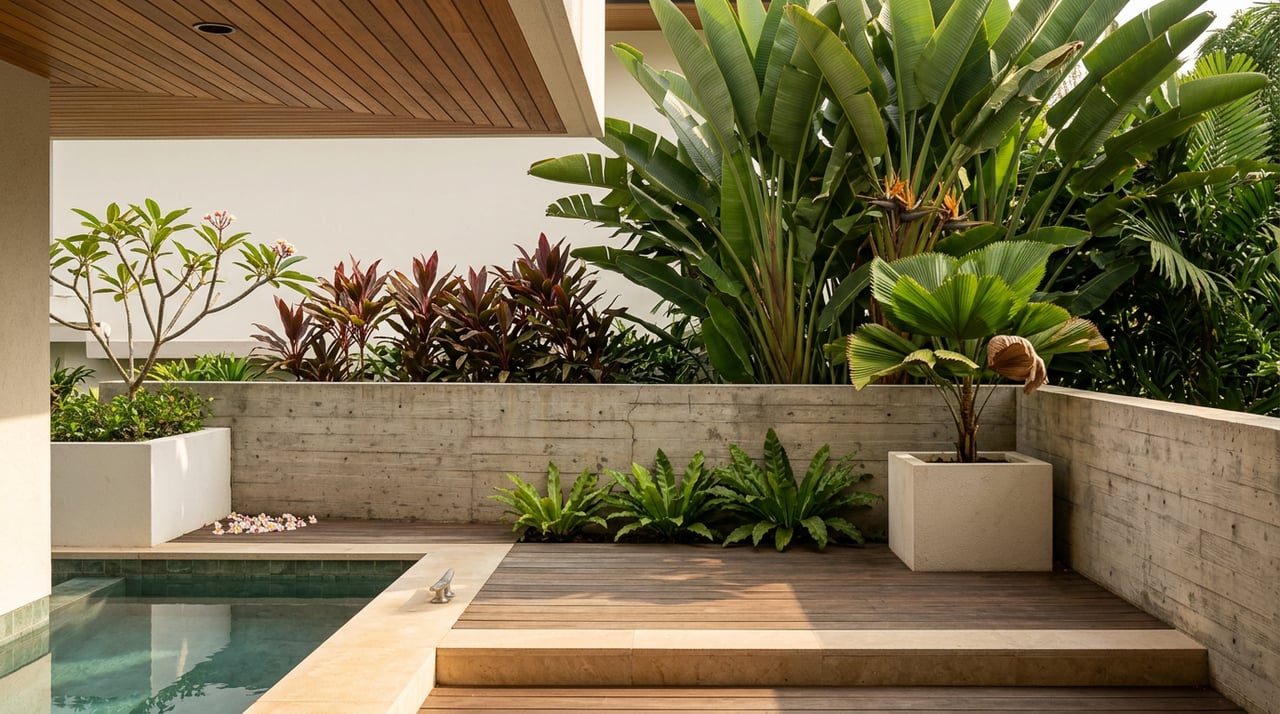
That matters in Hawaii Kai, where many buyers respond strongly to light, layout, and indoor-outdoor flow. If your townhouse has a lanai, patio, or welcoming entry, treat those spaces as part of the living experience. A clean, simple, resort-inspired look can help buyers focus on the lifestyle the home offers.
Prioritize visible improvements
Before listing, focus on changes that improve how the home looks and feels right away:
- Deep clean the entire unit
- Declutter shelves, counters, and storage areas
- Touch up paint in simple, neutral tones
- Fix small maintenance issues like loose hardware or scuffed trim
- Refresh the entry, lanai, or patio area
- Replace burnt-out bulbs and improve interior brightness
- Organize owner manuals, warranties, and key property information
These steps may seem basic, but they support stronger photos and smoother showings. They also signal that the property has been cared for.
Staging and photography can shape first impressions
In a market where buyers often compare several listings at once, your online presentation matters. Good staging helps people understand scale, function, and flow. Great photography turns that preparation into a strong first showing before anyone books a tour.
NAR also reported that 17% of buyers’ agents said staging increased the dollar value offered by 1% to 5% compared with similar unstaged homes. While every sale is different, that finding shows why visual presentation deserves attention. In a Hawaii Kai townhouse, the goal is to highlight comfort, cleanliness, and natural light without making the space feel crowded.
What to highlight in a Hawaii Kai townhouse
Your marketing should emphasize the features buyers can connect with quickly, such as:
- Bright living areas
- Functional indoor-outdoor spaces
- Clean kitchen and bath finishes
- Storage and layout efficiency
- Community access and practical convenience
- Any views, breezes, or location advantages that are factually supported
This is where a full-service marketing approach matters. Professional photography should happen only after the home is fully cleaned, decluttered, and styled for the camera.
Get HOA documents early
One of the biggest mistakes townhouse sellers make is treating HOA paperwork like a last-minute task. In Hawaiʻi, what matters legally is not just the word “townhouse,” but whether the property is subject to a recorded declaration and related restrictions. If it is, the seller must provide governing documents that may include the declaration, articles or bylaws, and rules tied to common areas, maintenance, architectural control, and assessments.
These documents do not have to be provided until 10 calendar days after the parties receive a current title report. After that, the buyer has 15 calendar days to review them and decide whether to rescind. Even so, waiting to collect them can create unnecessary delays and stress.
For that reason, it is smart to contact the managing agent early. Ask for the current governing documents, confirm whether there have been amendments, and identify any current assessments, rules, or project issues that may affect the sale.
HOA details that can affect your sale
Buyers often want clarity on practical questions before they feel comfortable moving forward. Your preparation should help answer topics like:
- Monthly or special assessments
- Maintenance responsibilities
- Parking and guest access rules
- Pet policies
- Architectural or renovation guidelines
- Amenity use rules
- Any known project updates or changes
The Hawaiʻi Department of Commerce and Consumer Affairs notes that condo associations are self-governing and that owners or authorized agents can request association records. For the most current recorded map, declaration, and bylaws, it advises contacting the association or the Bureau of Conveyances.
Understand Hawaiʻi disclosure rules
Selling with confidence also means understanding your disclosure duties. Under Chapter 508D, the seller of residential real property, including residential condominium or cooperative apartments, must prepare a disclosure statement in good faith and with due care. The disclosure statement must be signed and dated within six months before or 10 calendar days after acceptance of the purchase contract.
The disclosure statement is meant to inform the buyer, but it is not a substitute for inspections or a warranty. It must also advise the buyer that professional advice and inspections may be appropriate. If new material information comes up before recording and it directly and adversely affects value, Hawaiʻi law requires an amended disclosure.
That means disclosures should not be treated like one-time paperwork. Your file should stay current through closing.
Check for location-specific disclosures
Some Hawaii Kai properties may involve additional disclosure issues based on location. Hawaiʻi law requires disclosure if a property lies within certain hazard areas, including a special flood hazard area, noise exposure area, military Air Installation Compatibility Use Zone, tsunami inundation area, or sea level rise exposure area.
If the property is adjacent to the shoreline, there may also be separate disclosure requirements involving erosion-control structures, permit expiration dates, notices of violation, and related fines. These issues are not relevant to every townhouse, but they should be checked early rather than assumed away.
If your unit is in a marina-adjacent, waterfront, or low-lying part of Hawaii Kai, this step is especially important. Early review helps you avoid delays once a buyer is in escrow.
Build a showing plan around the community
A good showing experience does not happen by accident in a townhouse community. Association rules may affect parking, visitor entry, open house procedures, loading zones, quiet hours, and common-area use. In hillside or marina-adjacent projects, access and logistics can shape how buyers experience the property.
Before your first showing, make sure those details are clear. A smooth arrival, easy access, and a well-prepared unit create a better impression than last-minute confusion at the gate or curb.
Your showing checklist
Use a simple checklist before launch:
- Confirm guest parking instructions
- Verify entry or gate access procedures
- Review any association rules that affect open houses
- Prepare the home for easy, clutter-free walk-throughs
- Secure pets and personal items
- Make sure all lights and fans are working
- Keep disclosure and HOA materials organized and accessible
The easier it is for buyers to view and understand the property, the easier it is for them to move toward an offer.
Sell with a complete strategy
A confident sale is usually the result of many small decisions made early and well. In Hawaii Kai, that means combining polished presentation with careful documentation, accurate disclosures, and a realistic understanding of the condo and townhouse market. When buyers have options, the better-prepared listing often has the edge.
If you are thinking about selling your Hawaii Kai townhouse, it helps to work with a team that understands Oʻahu’s neighborhood-specific details, project documents, and the importance of high-quality marketing. For personalized guidance, concierge-level service, and a thoughtful listing strategy, connect with Richard DeGutis.
FAQs
How long does it take to sell a Hawaii Kai townhouse?
- Timing depends on price, condition, presentation, and buyer demand. Honolulu Board of REALTORS® data for May 2026 showed median days on market for condos at 43 days on Oʻahu, so townhouse sellers should plan for a market that may take more time than a detached-home sale.
What documents do you need to sell a townhouse in Hawaiʻi?
- If your townhouse is subject to a recorded declaration, you may need to provide governing documents such as the declaration, articles or bylaws, and rules related to common areas, maintenance, architectural control, and assessments, along with the required seller disclosure statement.
When do you complete the Hawaiʻi seller disclosure statement?
- Under Chapter 508D, the disclosure statement must be signed and dated within six months before or 10 calendar days after acceptance of the purchase contract, and it must be prepared in good faith and with due care.
Why do HOA documents matter in a Hawaii Kai townhouse sale?
- HOA documents can affect buyer decisions because they explain rules, assessments, maintenance obligations, and use restrictions. Buyers may also have a 15-calendar-day review period after receiving the documents following the current title report.
Should you stage a Hawaii Kai townhouse before listing?
- Staging can help buyers visualize the home and improve listing photos. NAR’s 2025 staging research found that 83% of buyers’ agents said staging made it easier for buyers to picture the property as a future home.
Are there special disclosures for some Hawaii Kai properties?
- Yes. Depending on location, sellers may need to disclose whether the property is in certain hazard areas such as a flood hazard area, tsunami inundation area, noise exposure area, military Air Installation Compatibility Use Zone, or sea level rise exposure area. Shoreline-adjacent properties may have added disclosure requirements as well.